College of Education earns national seal of approval

In the past four years, an average of 239 University of North Georgia (UNG) students per year completed the College of Education (COE) educator preparation program to become kindergarten through 12th-grade teachers. For their final two years, pre-service teachers were immersed inside a K-12 classroom with a professional educator.
This intense clinical experience combined with a professional development community in a cohort-style program is designed to prepare UNG students to teach. In November, the COE earned its national accreditation from the Council for the Accreditation of Educator Preparation (CAEP).
"We met all of the standards and sub-standards set forth by CAEP," Dr. Sheri Hardee, dean of COE, said. "It is important because it indicates our programs have a level of rigor, and it is our national stamp of approval."
On the heels of the accreditation, the COE scored Level 4, or exemplary, in the Preparation Program Effectiveness Measures (PPEM).
Developed by the Georgia Professional Standards Commission (GAPSC), the PPEM includes a performance-based assessment of teacher candidates, the Georgia Assessments for the Certification of Educators (GACE), a system of classroom teacher evaluations, an employer survey, and a survey of teachers at the end of their first year in the classroom.
UNG was the fifth-largest program in the state to earn a 4, which is the highest possible rating based on 222 graduates evaluated by PPEM. See more about UNG's ranking on the GAPSC website.
Acquiring accreditation for 15 COE programs was an eight-year process. For a complete list of the educator preparation programs reviewed, visit UNG's accreditation and reporting webpage.
Faculty and staff collected and analyzed data on the programs. It also involved interviewing the COE's external community partners such as school principals, supervisors and mentors.
"The interviews were designed to understand how we could improve our programs to meet better the needs of P-12 learners in our service area," Dr. April Nelms, COE associate dean, said. "Conducting the interviews was a very positive process. Our stakeholders were complementary of our alumni's preparation, and we could distinguish areas we could improve for our programs."
"It is important because it indicates our programs have a level of rigor, and it is our national stamp of approval."
Dr. Sheri Hardee
dean of the College of Education
Completing an accreditation process during the COVID-19 pandemic highlighted the need for more technology.
"After going through this COVID-19 pandemic, we wondered during our self-assessment if we adequately prepared our students to teach online," Hardee said. "Now, we are discussing what tools we can give them to transition to a digital platform and still engage their K-12 students."
The COE dean said other target areas for potential enhancement are the college's diversity initiatives, special education, literacy, and English to Speakers of Other Languages (ESOL). An outcome of the accreditation process was the faculty's commitment to develop a case study and continue it.
"We were curious as to how our graduates were performing in their careers," Hardee said. "It's hard to get that data. So we followed up with them and did a case study. That team of researchers has continued their work because they are excited about it."
The accreditation lasts seven years and includes state approval, but the process itself continues.
The accreditation also marks one of many achievements the COE has gained. COE graduates consistently pass the GACE exam, faculty earned two National Science Foundation grants totaling $608,000 for this academic year, and the literacy faculty led the college successfully through International Literacy Association national recognition with distinction.
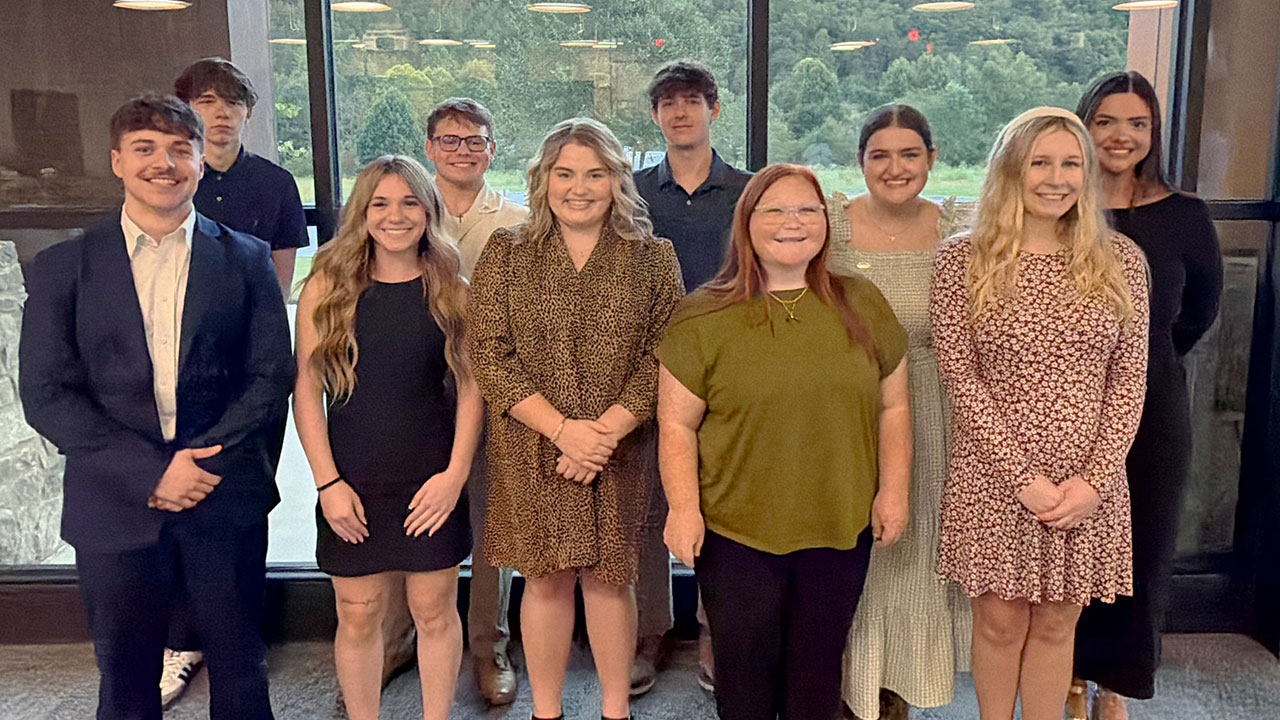
Support fuels students at UNG's Blue Ridge Campus
UNG celebrated its scholarship recipients and donors and heard some of the students' stories at the Sept. 22 Tomato Sandwich Supper.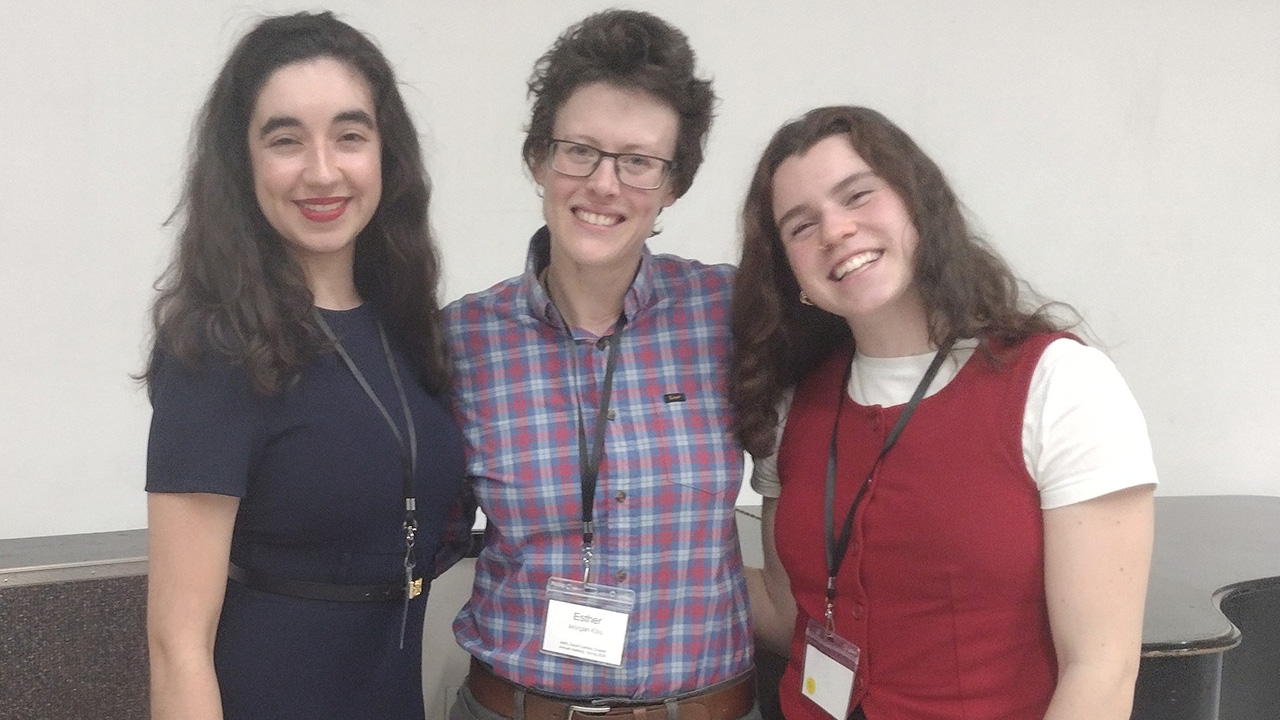
Co-authored work accepted into peer-reviewed journal
The co-authored article of Dr. Morgan-Ellis and students Charlotte Nease and Sofia Perez was accepted into a peer-reviewed journal.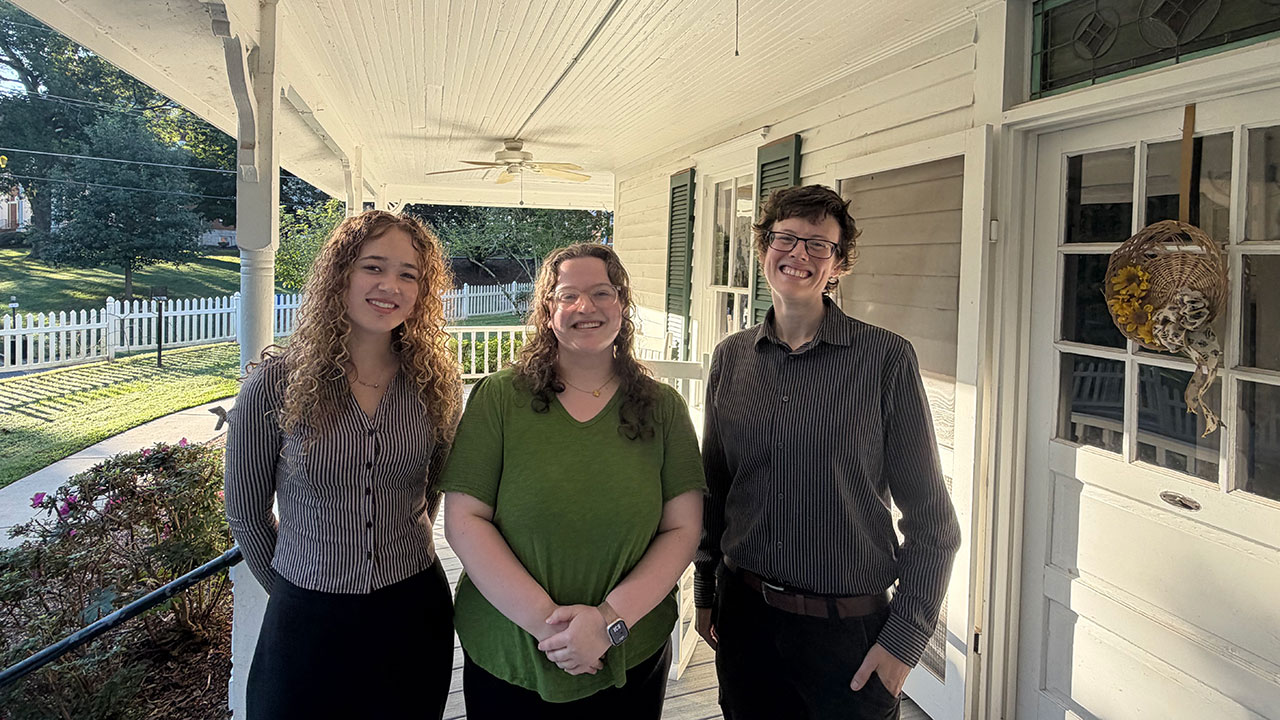
Students help create Vickery Voice journal
A faculty member and students have launched a new journal out of UNG's Appalachian Studies Center, giving students a forum to share their research and other writings.
Mullins excited to give back in return to UNG
Alumnus Shawn Mullins will return to UNG in October to raise funds for the Golden Eagle Band, a cadet specialty unit that helped shape his own journey.