Cyber camps assist workforce development
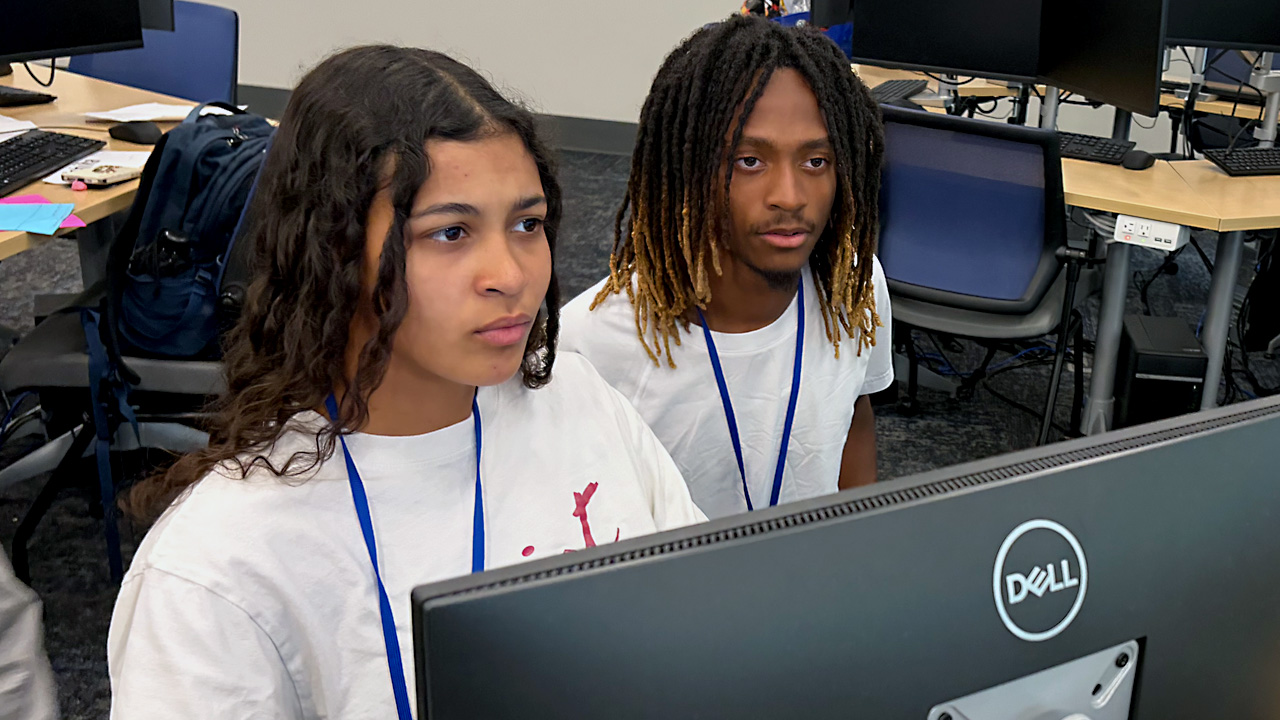
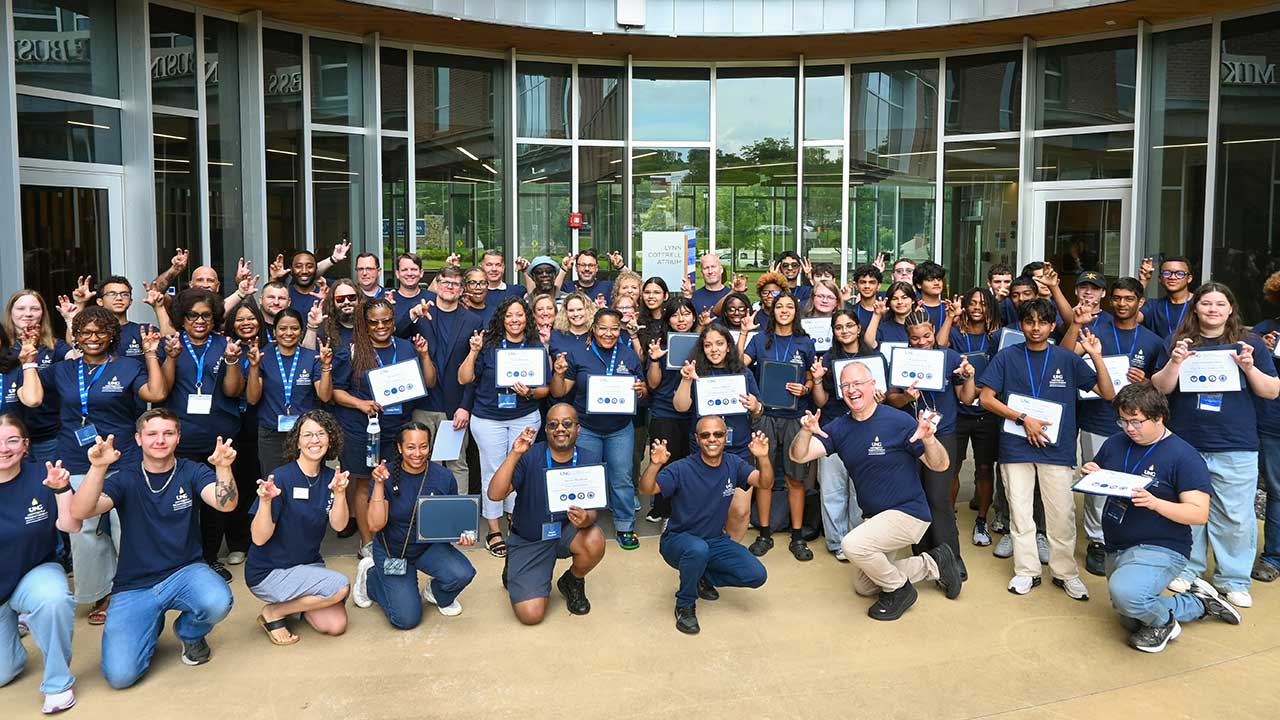
The University of North Georgia (UNG) hosted 26 high school students and 21 teachers for cybersecurity camps from June 8-12 at UNG's Dahlonega Campus. Both camps were funded by a grant through UNG's Institute for Cyber Operations, which is funded by the U.S. Department of War.
Cyber Warrior Academy marked UNG's eighth student camp in an 11-year span, with almost 300 total attendees. The Advancing Georgia Education for New Technologies (AGENT) camp marked UNG's sixth teacher camp, with 150 participants in that span, though some of those include returnees from previous years.

"It's so rewarding because we get to see the impact on the students immediately," said Dr. Bryson Payne, director of the Institute for Cyber Operations. "And we know the teachers are taking this passion for cybersecurity back to hundreds of students in each of their schools to help develop the cyber pipeline for years to come."
Cristian Canty, a rising senior at North Paulding High School, attended the student camp on the recommendation of his former teacher Linn Pitts, who was part of this year's AGENT group. He appreciated the interactive nature of Cyber Warrior Academy.
"It's more than just sitting behind a screen and being fed information," Canty said. "There's a lot of variety to it. You meet new people and socialize."
Mikayla Teran, a rising senior at South Forsyth High School, was also grateful for what she learned.
"It's completely free, and you're getting a really good experience for that," Teran said. "I didn't expect this level of instruction and variety of activities. It's really surpassed my expectations."
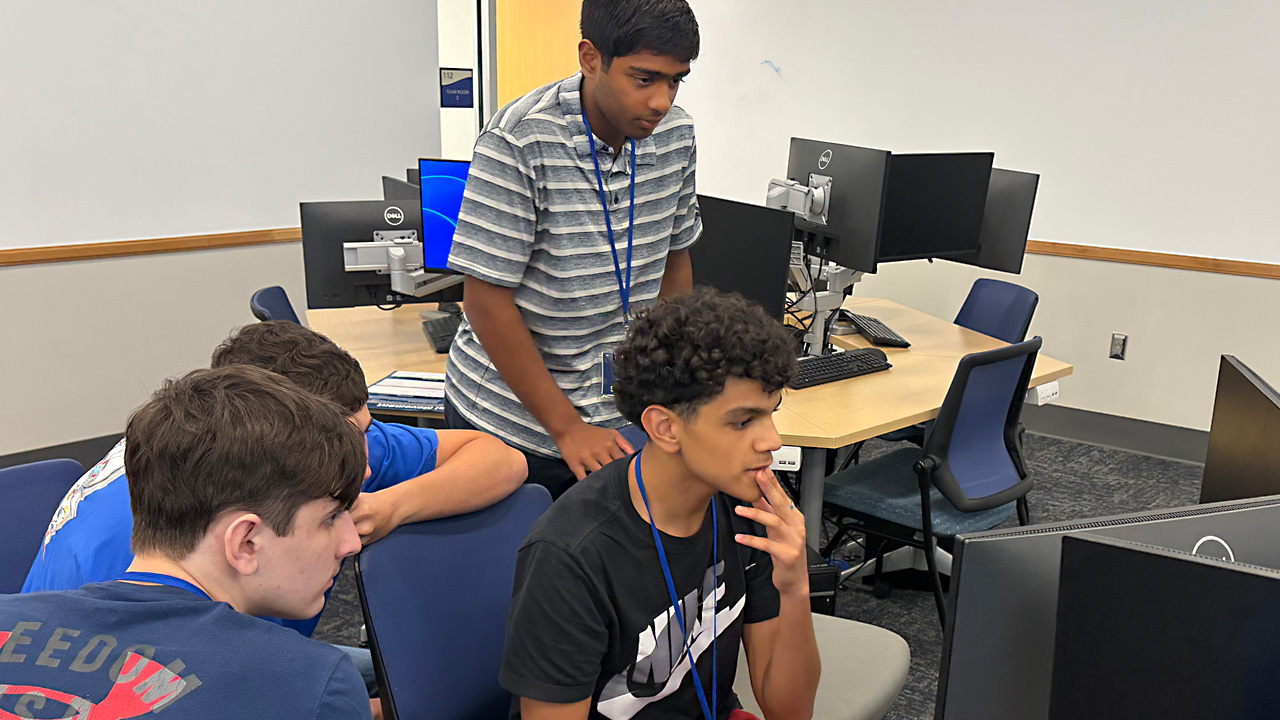
Four UNG cadets served as mentors for the students during the week. Alyssa Marszalek, a junior from Cumming, Georgia, pursuing a degree in computer science with a minor in cybersecurity, was one of those cadet mentors. She enjoyed fielding questions from the students.
"I'm really proud of these kids putting in time to be curious about cybersecurity," Marszalek said. "They asked a lot of questions to guest speakers and wanted to learn more about the UNG campus from the cadet mentors."
Dr. Lindsay Linsky, a UNG professor of middle, secondary and P12 education, served as lead teacher for the teacher camp and program director for the student camp. She said the prevalence of artificial intelligence in engineering attacks only added to the urgency of the camps UNG hosted.
"We need a workforce ready to defend our systems," Linsky said.
The teachers and students were together for the camps' industry guest speakers, and Lakecia Gray, a teacher at Dacula High School, enjoyed that dynamic.
"It's been awesome to network and interact with the students and hear their thoughts about the information they're receiving, how interested they are in the career," Gray said. "We all have takeaways we can use to get our students more engaged in the field."
Pitts, a North Paulding High law and public safety teacher, was attending the AGENT camp for the second time. During the 2025-26 academic year, he invited guest speakers from AGENT into his classroom.
"For the students to see some of the different career backgrounds or someone who looks like them, that's a complete game-changer," Pitts said.
Students get taste of logistics industry
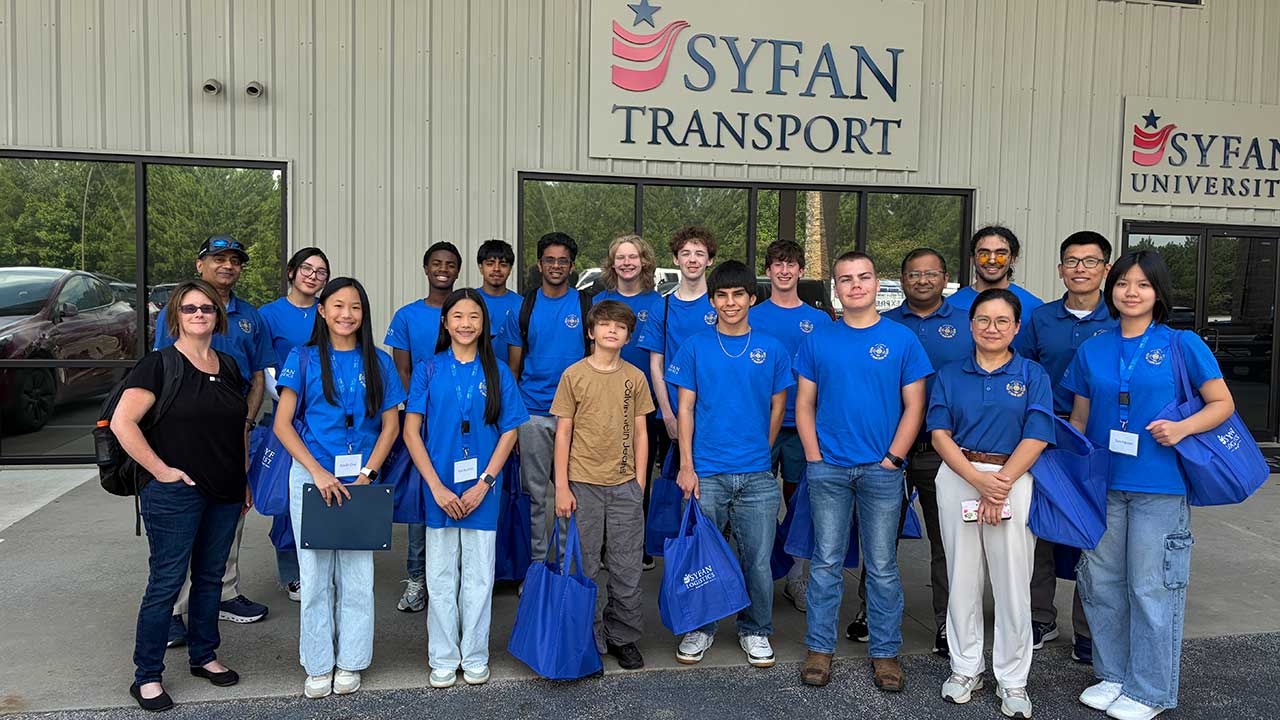
Twenty high school students gained a crash course in logistics during Camp Logistics, held June 1-5 at UNG's Gainesville Campus.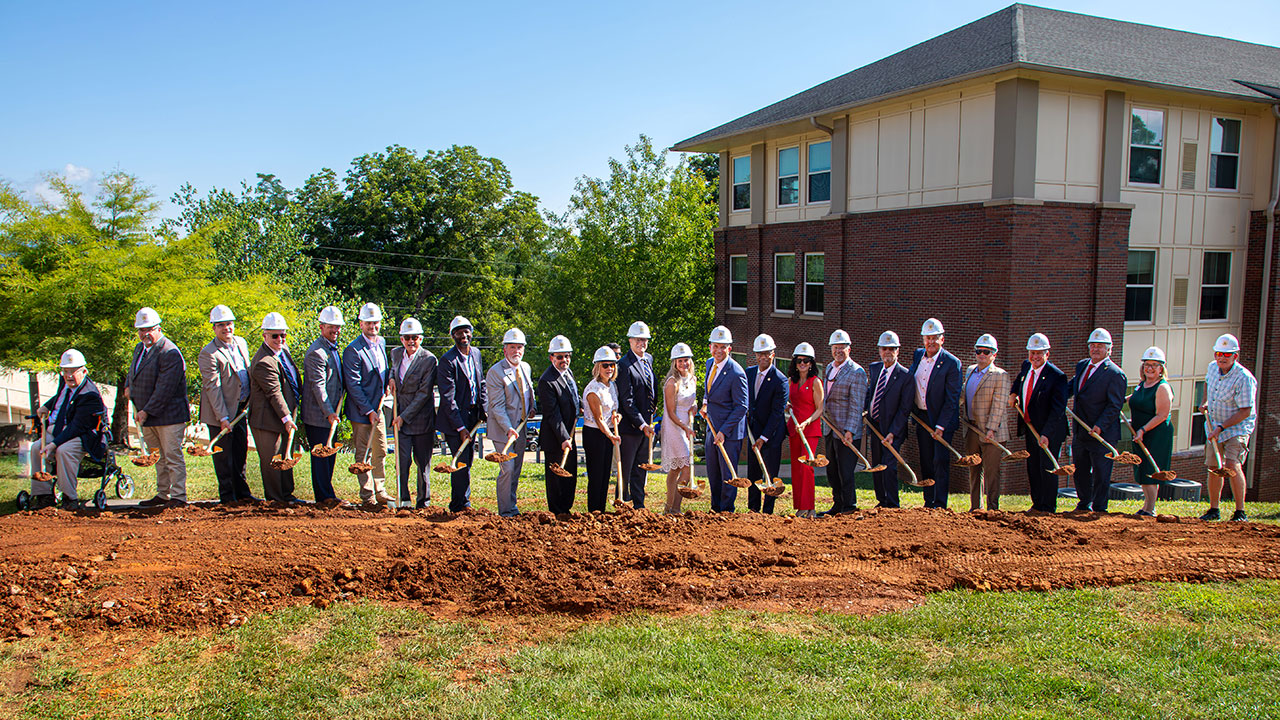
UNG launches bold vision for future of STEM
UNG held a groundbreaking July 7 for the STEM Excellence Center, which is scheduled to open in spring 2028 and will prepare the next generation of scientists, engineers, innovators, and problem-solvers.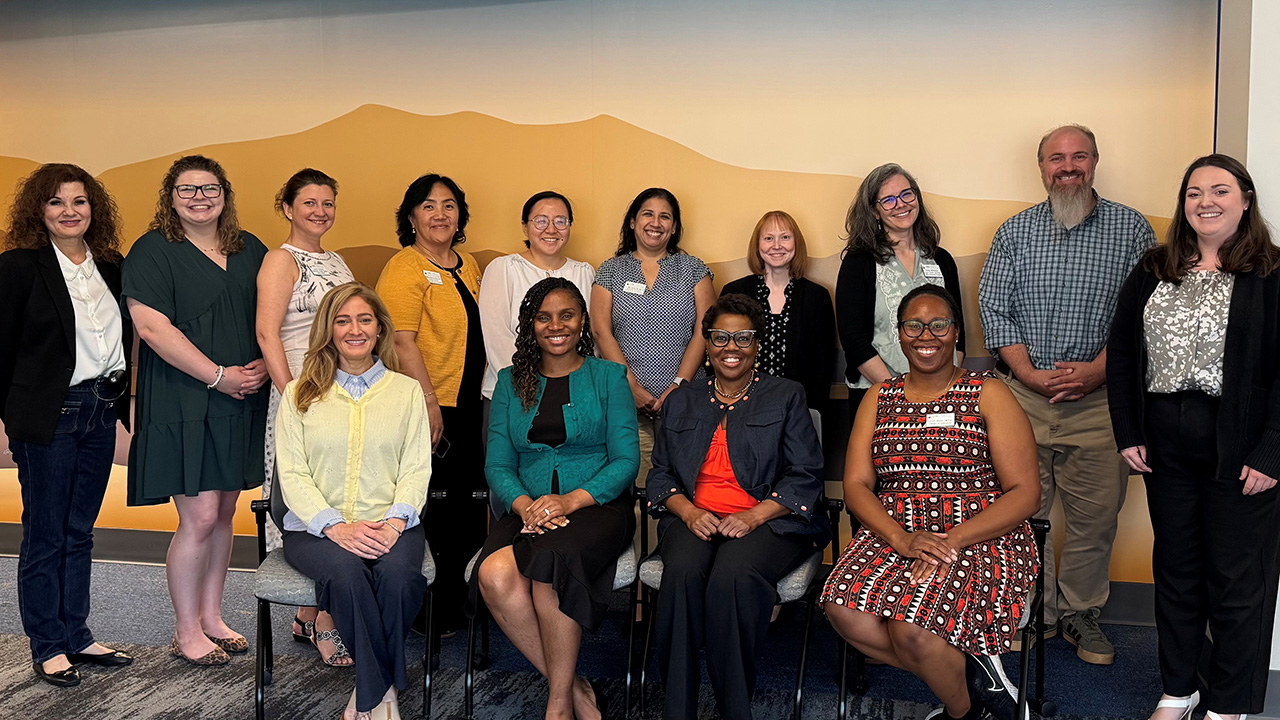
Grants Academy offers support for attendees
Grants Academy, hosted by UNG's Office of Sponsored Programs, has been supporting staff and faculty with the grant process from start to finish since at least 2014.