UNG launches bold vision for future of STEM
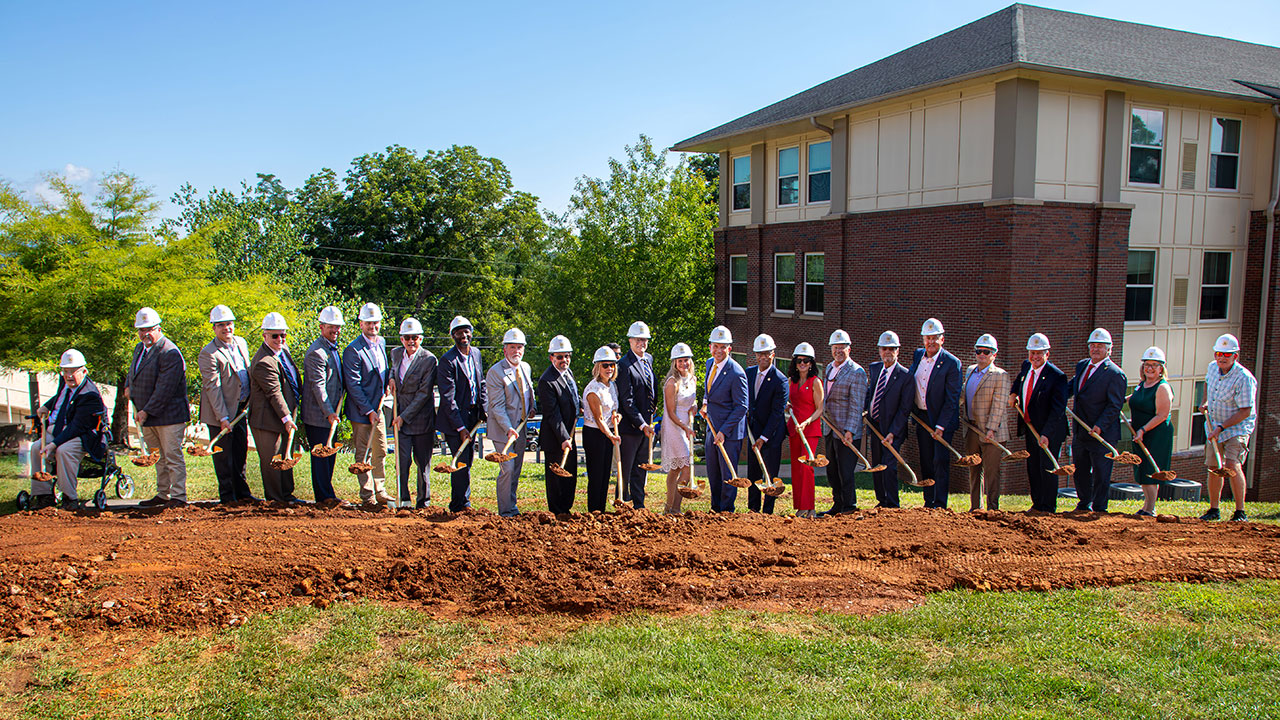
The University of North Georgia (UNG) took another major step in its Bold Forward strategy on July 7, breaking ground on the STEM Excellence Center — a new facility designed to prepare the next generation of scientists, engineers, innovators, and problem-solvers for challenges that have yet to emerge.
Scheduled to open in spring 2028, the $49.3 million, 52,018-square-foot facility will become the new home of UNG's College of Science & Mathematics. More importantly, university leaders say, it represents a long-term investment in Georgia's workforce and a model of STEM education centered on curiosity, collaboration and real-world problem-solving.

"At the University of North Georgia, we believe STEM is much bigger than a collection of academic disciplines," UNG President Michael Shannon said. "STEM is the practice of curiosity. It is how we teach students to ask questions, challenge assumptions, pursue discovery, and turn ideas into action. That belief is why expanding the STEM value proposition became one of our Bold Forward strategic big bets, because we know the future will belong to those who can learn, adapt, innovate, and solve the most complicated problems."
The STEM Excellence Center reflects that philosophy. Rather than simply adding classrooms and laboratories, the building has been intentionally designed to bring disciplines together, encourage collaboration, and provide immersive learning experiences that mirror the increasingly interdisciplinary nature of science and technology. Students from across STEM fields will learn, experiment and solve problems in spaces created to prepare them for careers — and discoveries — that are still taking shape.
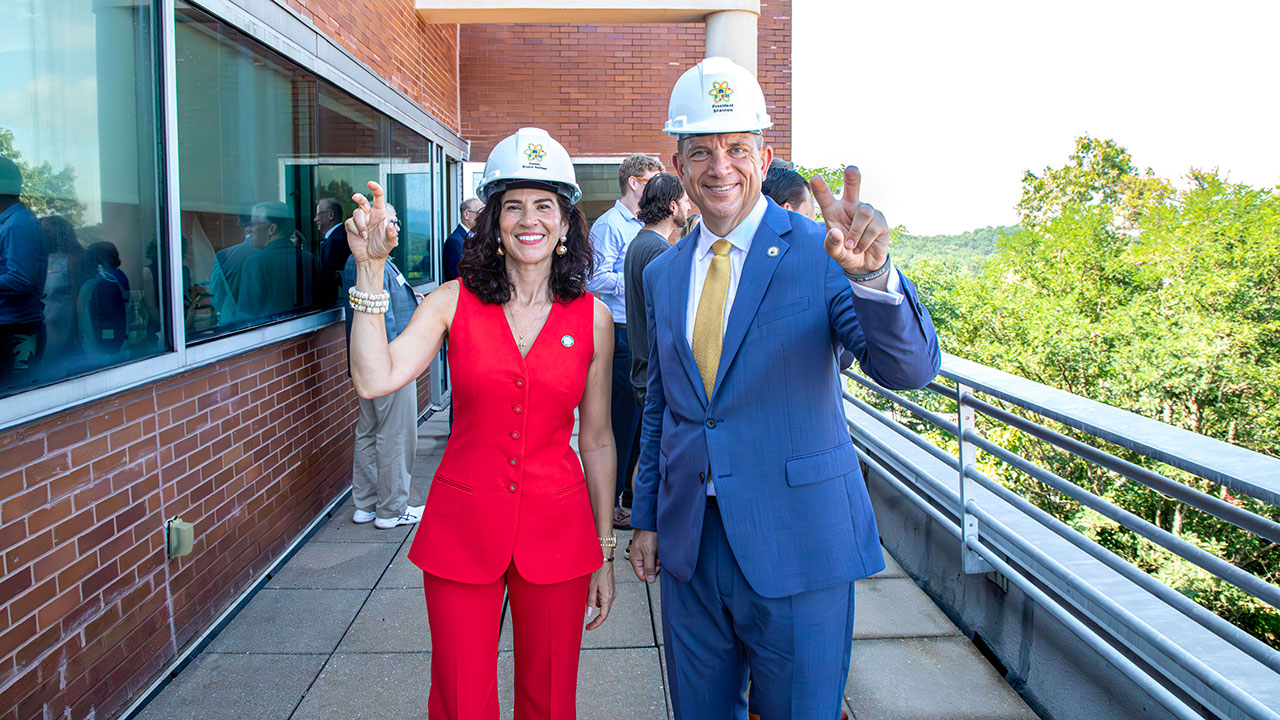
Georgia Labor Commissioner Bárbara Rivera Holmes connected the project to the state’s history while pointing toward its future.
"The richest thing in these hills was never the metal. It was the people who came to dig it out," Holmes said. "That has not changed in 200 years, except now we are mining something new. We are mining talent, and this building is the mine."
She added that while many people see a new building taking shape, she sees something much larger.
"Georgia's next generation of scientists, engineers, coders, and problem-solvers will spend four years on problems no one has yet solved and likely on problems no one yet knows are coming," Holmes said.
University System of Georgia Regent Tim Evans said the project represents the direction higher education must continue to move.
"This is not simply a building filled with laboratories and classrooms," Evans said. "It's a place of intention designed to bring disciplines together, encourage curiosity, foster collaboration, and give students hands-on experience that prepares them to solve world challenges and problems. That is what the University of North Georgia has become known for."
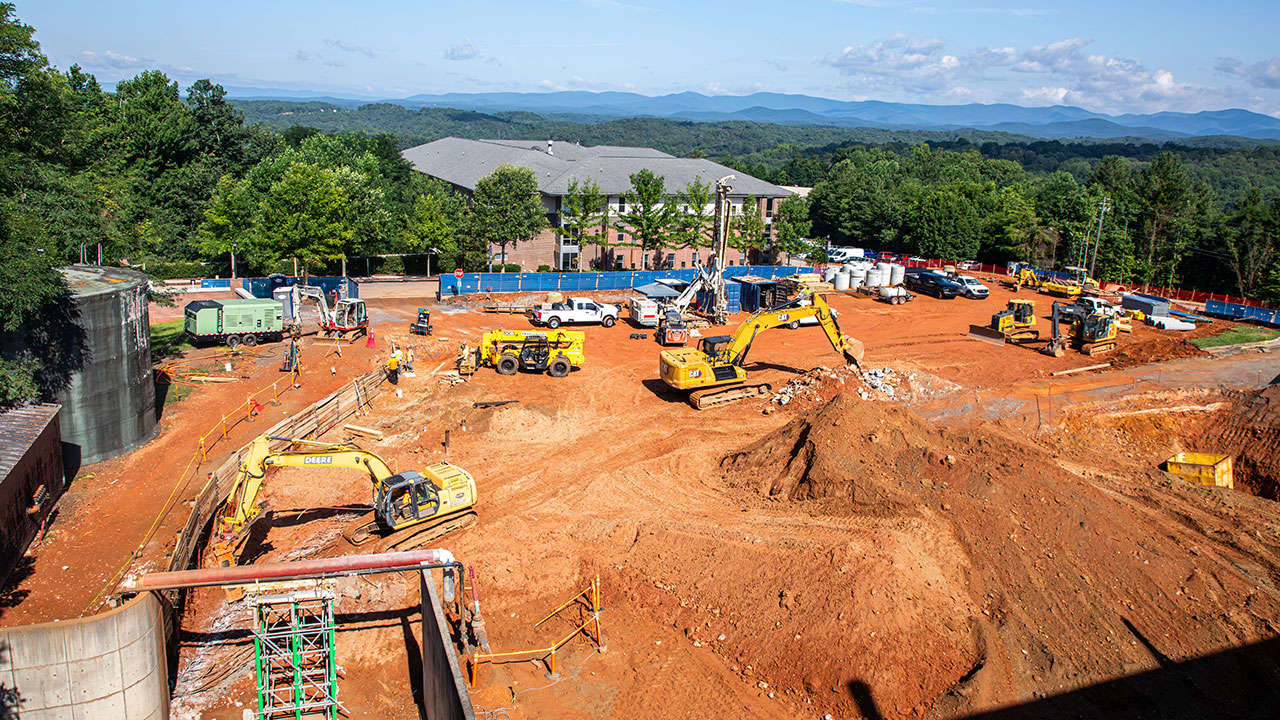
The facility will include five classrooms, 14 teaching and research laboratories, faculty offices, and flexible collaborative spaces that support transdisciplinary teaching and hands-on learning. The design reflects UNG's belief that innovation happens when students and faculty work across traditional academic boundaries to address complex challenges.
The project also reflects years of partnership among alumni, state leaders and industry.
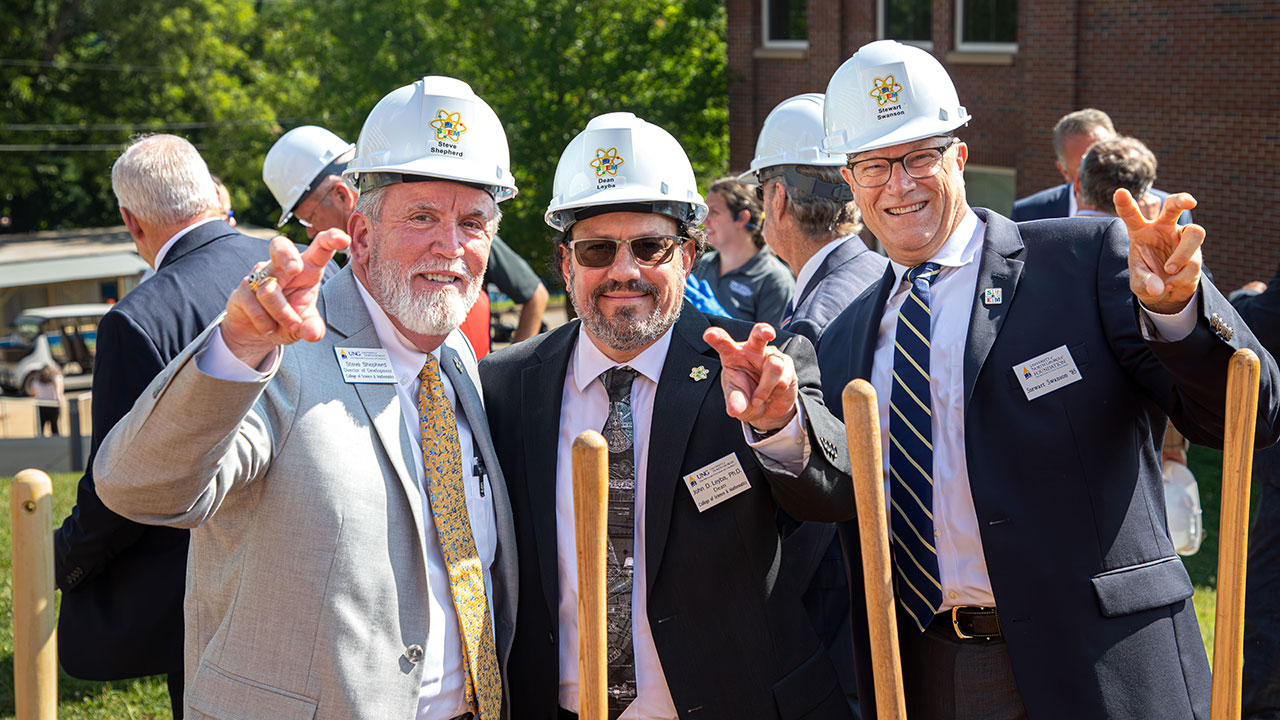
A transformational $3 million gift from STEM Advisory Board member Stewart Swanson, '85 and Carol Barnette Swanson '86 helped launch the vision for the STEM Excellence Center. Stewart Swanson compared the project to a mathematical theorem — one that begins with an unknown outcome before ultimately being proven over time.
"Where we stand right now, this will be the testing ground for the big bet," he said.
State Sen. Steve Gooch, a two-time UNG graduate, and state Rep. Will Wade, also a UNG alumnus, helped secure $39.3 million in state funding for the project.
"This new STEM building will be a true hub of innovation," Gooch said. "By investing in this state-of-the-art facility, we are ensuring that UNG students have the tools and collaborative environment they need to excel in high-demand fields."
Industry leaders echoed the importance of preparing the workforce Georgia will need in the years ahead.
"We will rely upon universities like UNG to prepare their graduates for our future workforce needs," said Glennis Barnes, Gainesville Area manager for Georgia Power and a UNG Foundation trustee. "Georgia Power's investment in the STEM facility at UNG is really an investment in our collective futures."
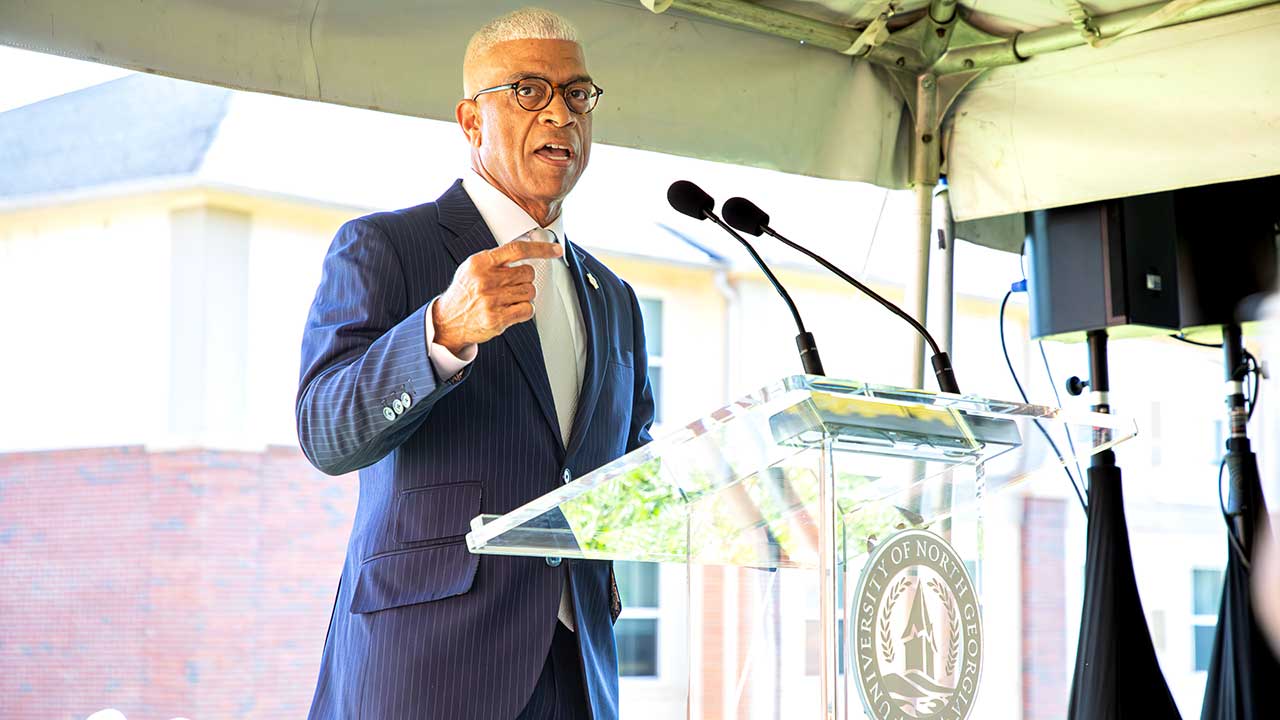
Provost Chaudron Gille said the impact of STEM education reaches far beyond students pursuing science degrees.
"These experiences ignite the imagination," Gille said. "They open the door to possible futures that many of our students — especially First-Generation students — could never have imagined until they experienced them here."
For College of Science & Mathematics Dean John Leyba, the groundbreaking marks the beginning of the next chapter.
"The future of STEM at the University of North Georgia is looking brighter than ever," Leyba said. "This new building will be the great enabler of the STEM strategic big bet."
When the STEM Excellence Center opens in 2028, it will represent more than a new academic building. It will stand as a visible expression of UNG's commitment to preparing students for what comes next — equipping them with the curiosity, adaptability and collaborative mindset needed to shape Georgia's future through discovery, innovation and leadership.

Cyber camps assist workforce development
UNG hosted 26 high school students and 21 teachers for cybersecurity camps from June 8-12 at UNG's Dahlonega Campus.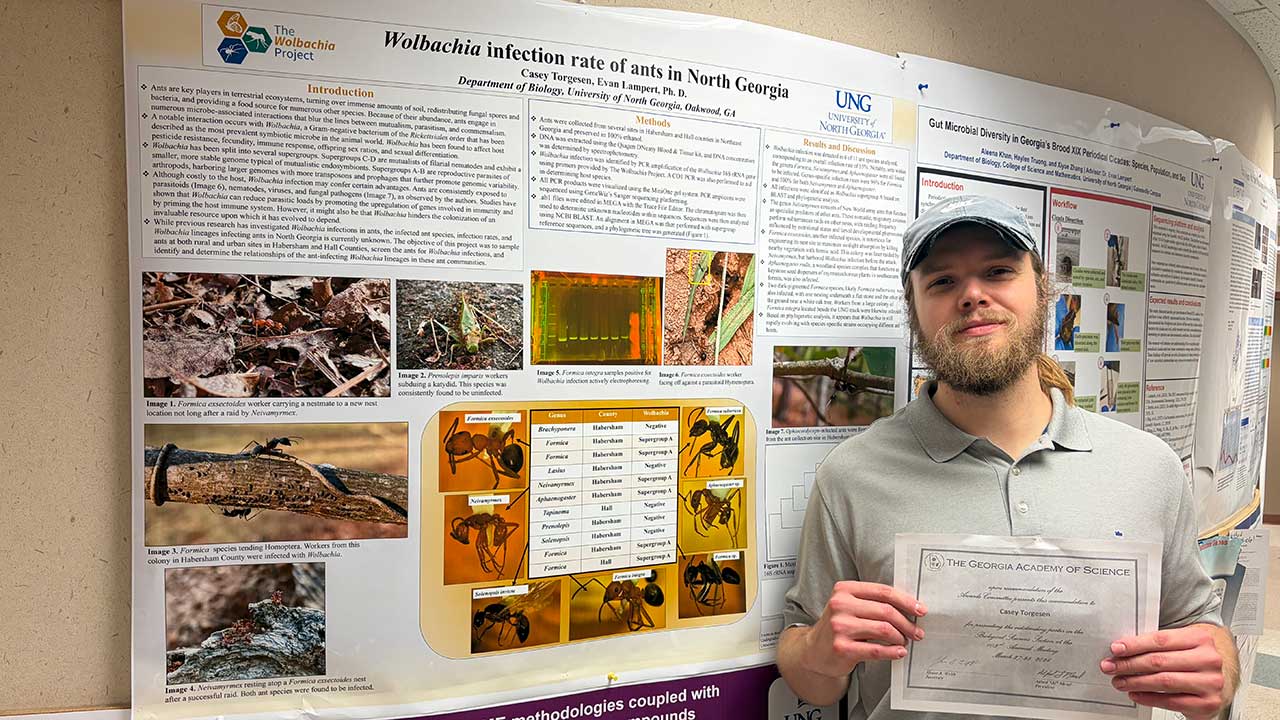
Biology students win awards for research
Biology research teams from UNG presented their work on 12 projects at the Georgia Academy of Science meeting, with two UNG groups earning awards.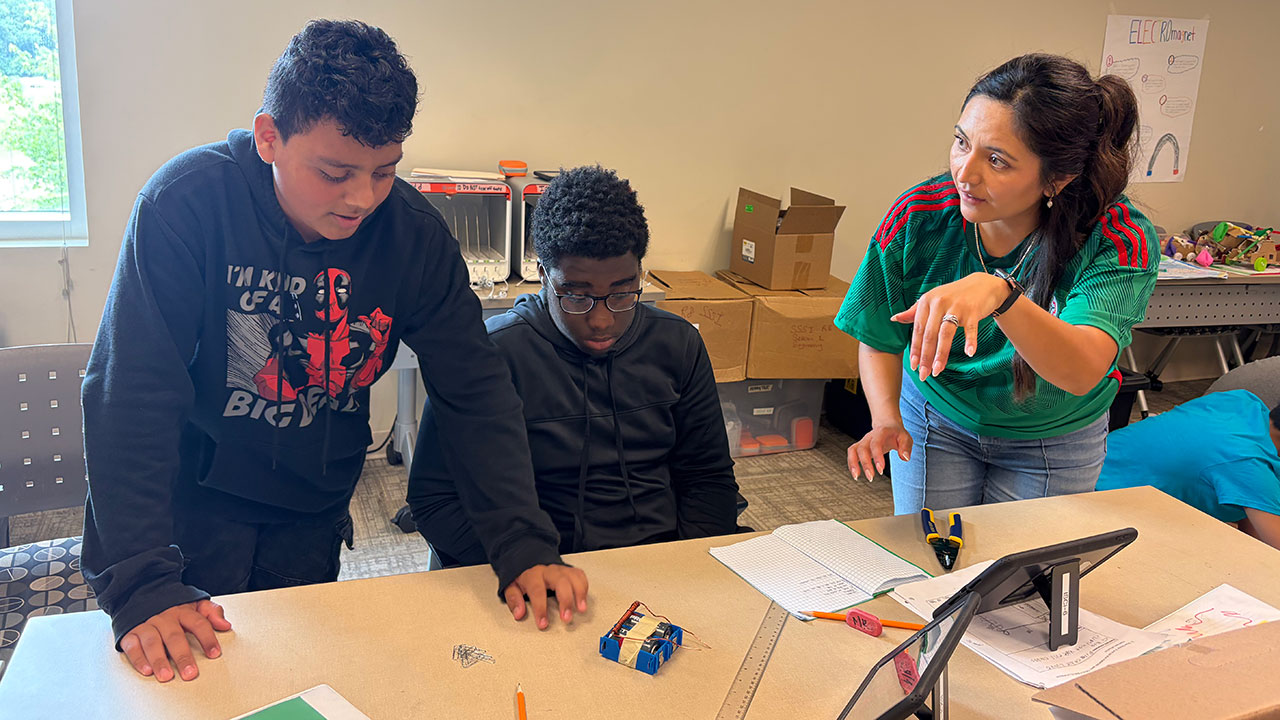
Teacher training pairs with STEM projects
Summer Scholars STEM Institute served as a pivotal experience this summer for pre-service teachers and also inspired rising fourth-graders through eighth-graders with hands-on learning.