Students publish article with biology professor
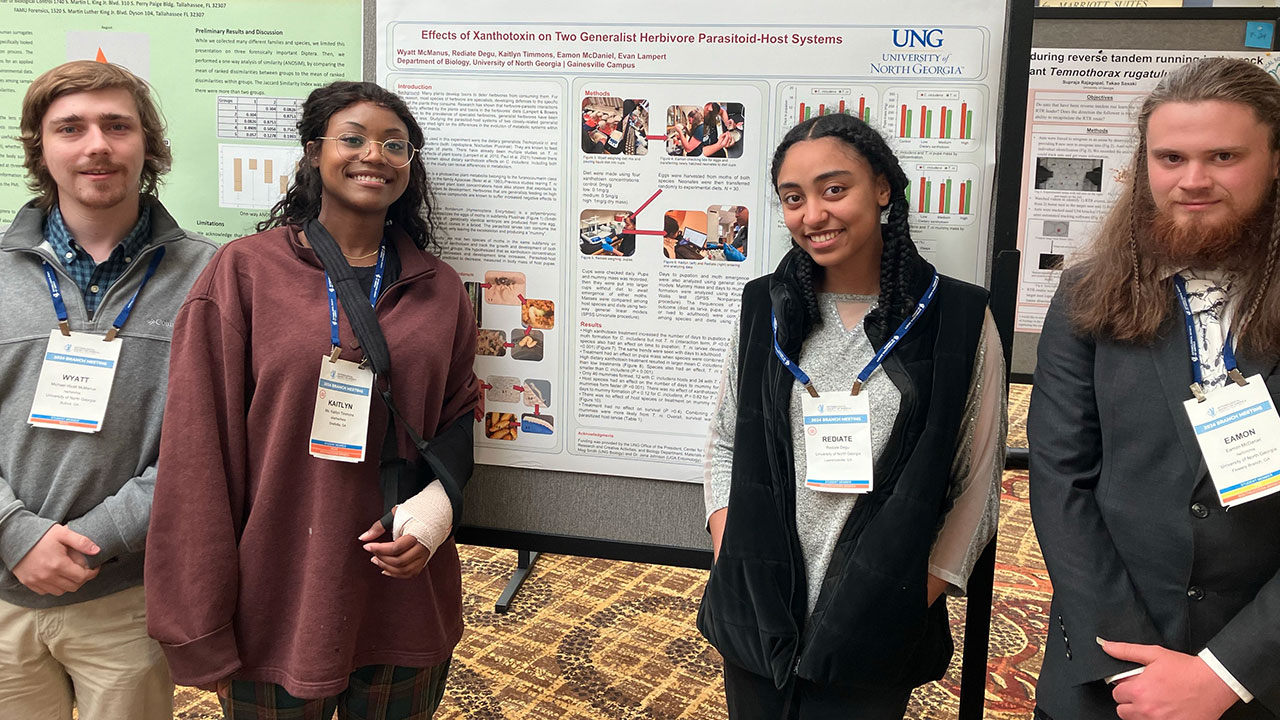
Dr. Evan Lampert, a University of North Georgia (UNG) professor of biology, and four of his students recently published an article on the different responses of two caterpillar species to plant compounds in their diets. Their publication was in the Environmental Entomology journal.
Students Rediate Degu, Eamon McDaniel, Wyatt McManus, and Kaitlyn Timmons were part of the project, which was funded by a 2023-24 Presidential Award. They completed the research, submitted the article and presented at two conferences all during the spring 2024 semester. That compressed timeline came about due to some expected hurdles in starting the project.

Lampert said the flexibility and assistance of UNG's Office of Institutional Effectiveness and Research Administration was especially helpful in seeing the project through.
"This is one of my proudest paper publications because of the perseverance and patience a lot of people showed," Lampert said.
Degu, a senior from Lawrenceville, Georgia, pursuing a degree in biology with a minor in English, said the project was her first research experience. That was important preparation for the six-week Northeast Georgia Medical Center Graduate Medical Education Summer Research Internship she completed in summer 2025.
The group's presentations at the spring 2024 Entomological Society of America Southern Branch meeting and the 2024 UNG Annual Research Conference were particularly impactful for Degu.
"It's wonderful to be able to present at conferences," Degu said. "It builds your confidence and skills."
McManus, a junior from Flowery Branch, Georgia, who is also pursuing a degree in biology, plans on attending graduate school to study wildlife parasitology, so this project was a natural fit for him. He appreciated his time on the project, which was his first foray into research.
"Research is definitely rewarding. It will take you through lots of ups and downs," McManus said. "Even if things aren't looking great, you have to keep pushing through."
McManus said the research was a great way to supplement what he has learned in the classroom.
"It's more hands-on. You learn through trial and error. It's very open-ended," McManus said. "It's more challenging, but you also grow from it."
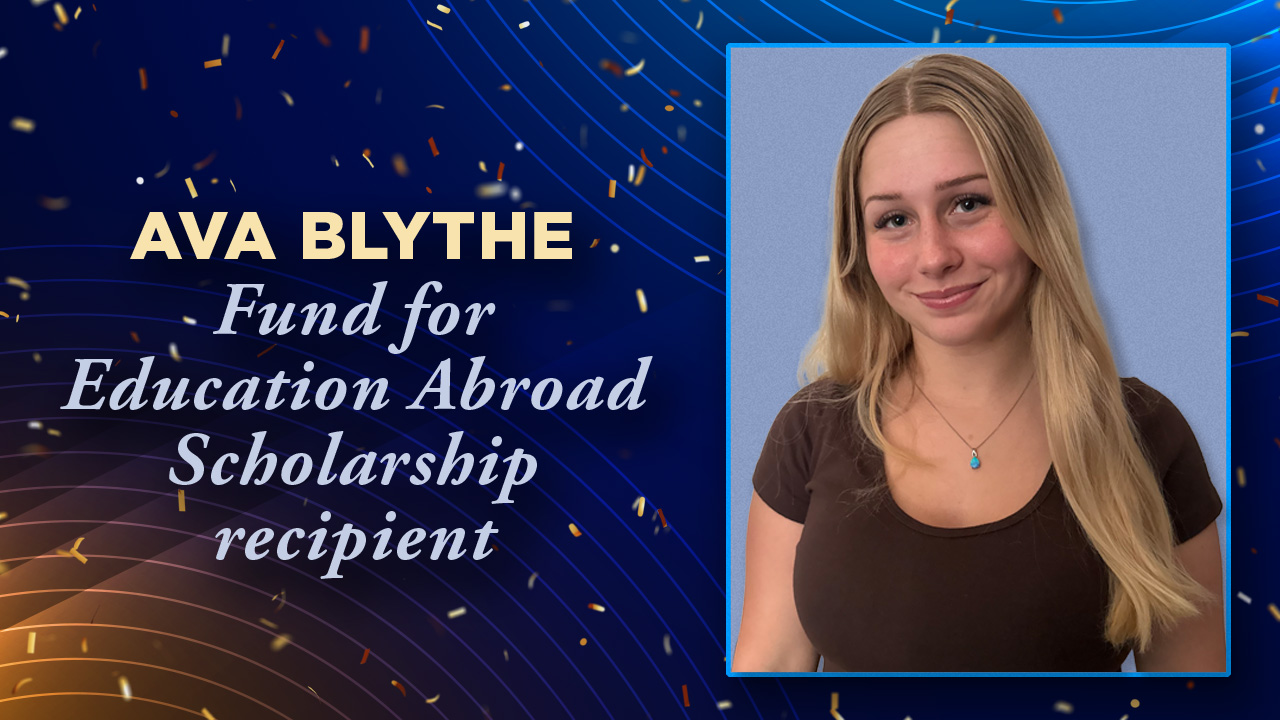
Blythe heads to South Korea as FEA awardee
Ava Blythe, who is pursuing a degree in chemistry, was awarded the FEA scholarship to study in South Korea, making her the 14th FEA awardee at UNG.
ONEUNG supports strategic big bets
Donors have an opportunity to strengthen UNG's seven strategic big bets by supporting 20 projects featured in the 'ONEUNG — Bold Forward' university-wide giving campaign.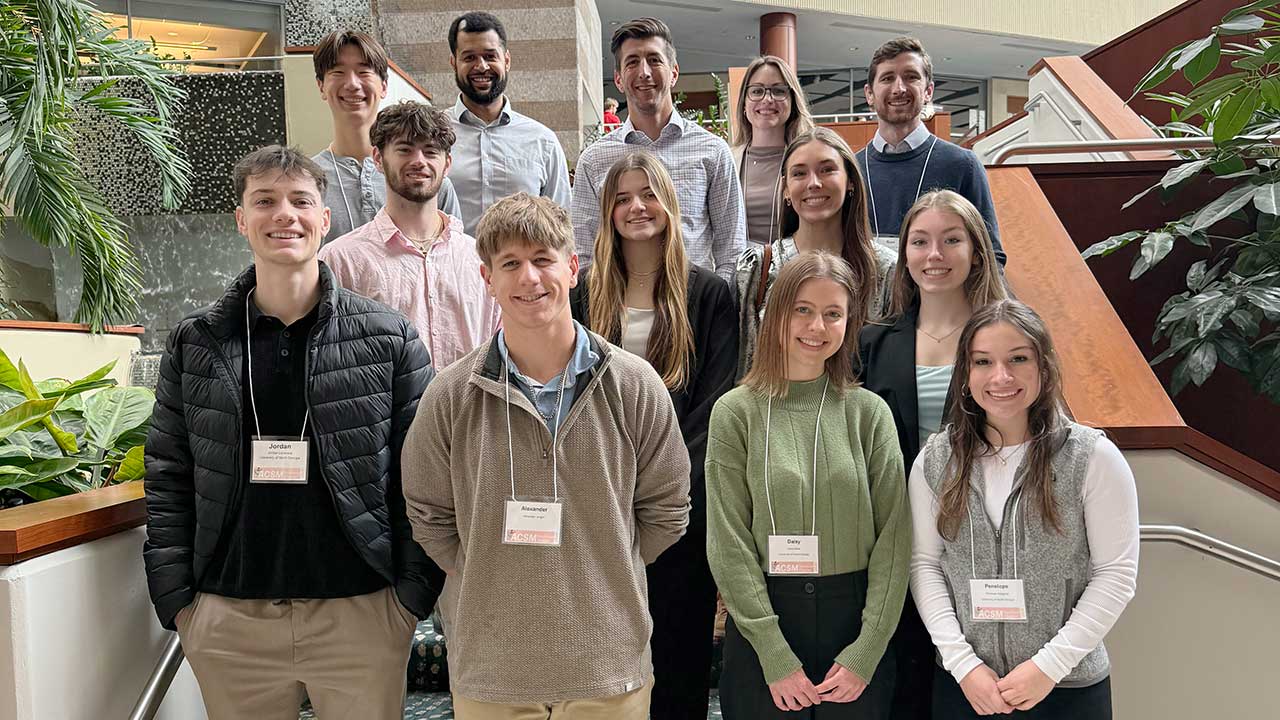
Kinesiology students present at conference
Kinesiology students from UNG presented seven research posters at the Southeast Chapter of the American College of Sports Medicine annual meeting.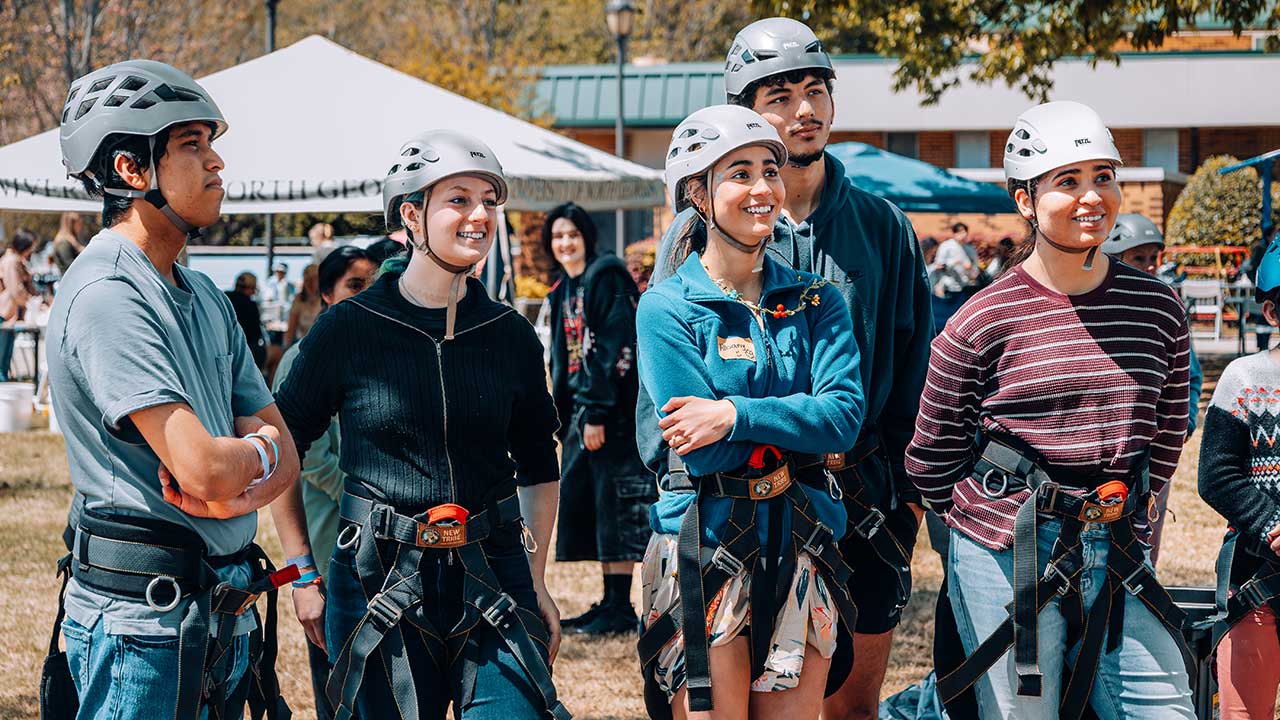
Earth Day event is set for April 15
UNG will host its ninth annual Earth Day celebration from 11 a.m. to 2 p.m. April 15 at UNG's Gainesville Campus.