Cyber students take national title in D.C.
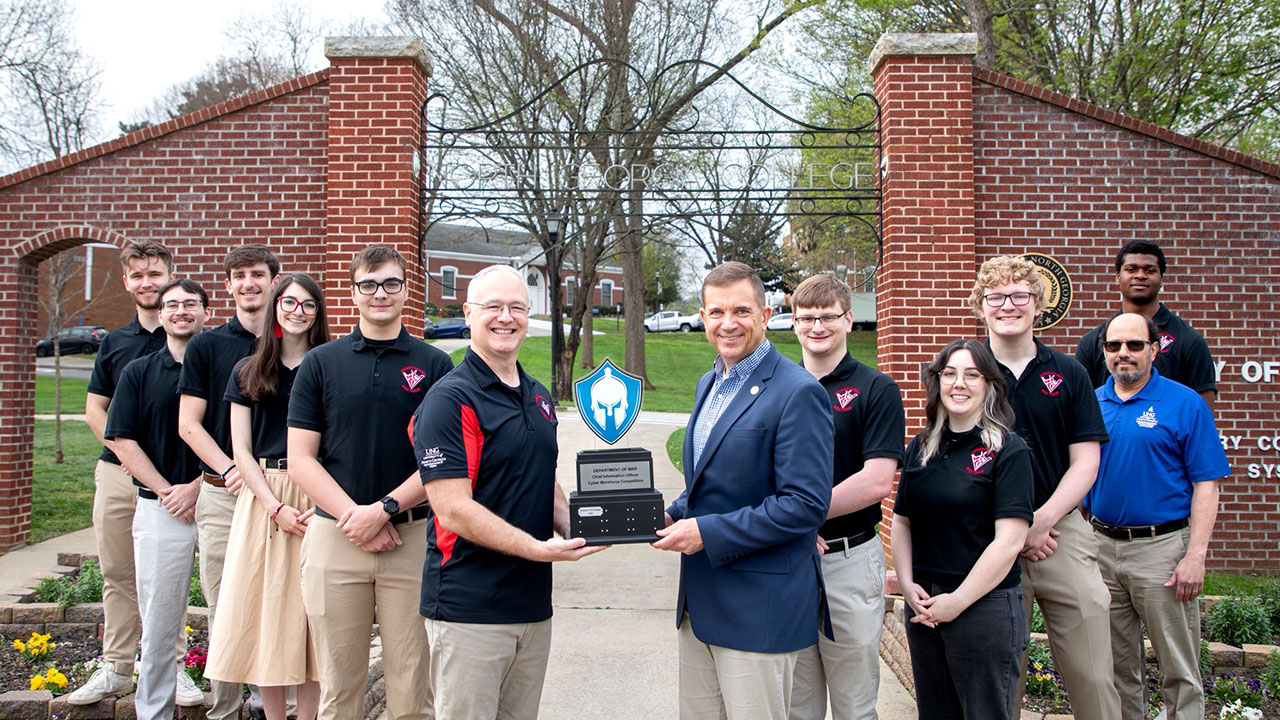
Cyber students at the University of North Georgia (UNG) have the skills and mindset it takes to excel in the cyber workforce. Their national championship in the Department of War Chief Information Officers (DOW CIO) Cyber Workforce Competition at the National Defense University in late March was simply the latest proof point that UNG students don't just study cybersecurity. They practice it.
"This is exactly what we mean when we say UNG prepares students for what comes next," UNG President Michael Shannon said. "Our students are not waiting to serve. They are already operating at the level our nation and our allies demand."

UNG's cyber warriors progressed through an eight-team bracket made up of the nation's six senior military colleges (SMCs), the U.S. Military Academy (USMA) at West Point and the U.S. Naval Academy. They defeated fellow SMC Texas A&M in the quarterfinals, followed by a semifinal victory against USMA and a championship triumph over The Citadel, another SMC.
"This was not theoretical work — this was applied, high-stakes problem-solving," said Dr. Bryson Payne, director of UNG's Institute for Cyber Operations. "Our students demonstrated that they can compete — and win — at the highest levels of national security."
The victory in the nation's capital allows UNG to represent the U.S. in a Five Eyes cyber competition that will include U.S., United Kingdom, Canada, Australia, and New Zealand service academies in Canada early next year.
UNG's team members included David Atsu, Stewart Cates, Jonathan Farrington, James Goble, Tyler McBride, Paxton Meyer, Dagen Shehorn, and Sawyer Shepherd.
Shehorn, a sophomore from Evans, Georgia, pursuing a degree in cybersecurity, said UNG strikes the proper balance between classroom learning and real-world challenges.
"The courses are fantastic. You learn a lot of the fundamentals. The competitions really prepare you with hands-on practice. There's no better way to learn than trying and failing," Shehorn said. "The struggle helps you understand the systems better."
The DOW CIO event required competitors to locate a target, block his communications without being detected, then provide the location for a bomber to take out the target. Another portion of the competition required students to use one computer to help them hack into a whole network.
Goble, a junior from Rome, Georgia, pursuing a degree in cybersecurity, said he thrives in competitions like the DOW CIO tournament.
"I've always loved to compete. It's been a dream of mine to perform on the big stage," Goble said. "Every competition we go to, there's a point where we hit a learning curve. The more hands-on competitions we go to, the longer it takes us to get to our learning curve."
Cates, Goble and Shehorn participated in CyberStart America, a high school cyber competition for which UNG previously led the efforts to recruit Georgia students to play. That's how Shehorn ended up moving north to attend UNG and study cyber. With financial backing for competitions and other opportunities thanks to the Institute for Cyber Operations, Shehorn is embracing all UNG has to offer.
"It's been better than I ever could have imagined," Shehorn said. "We get to travel all over the country competing."
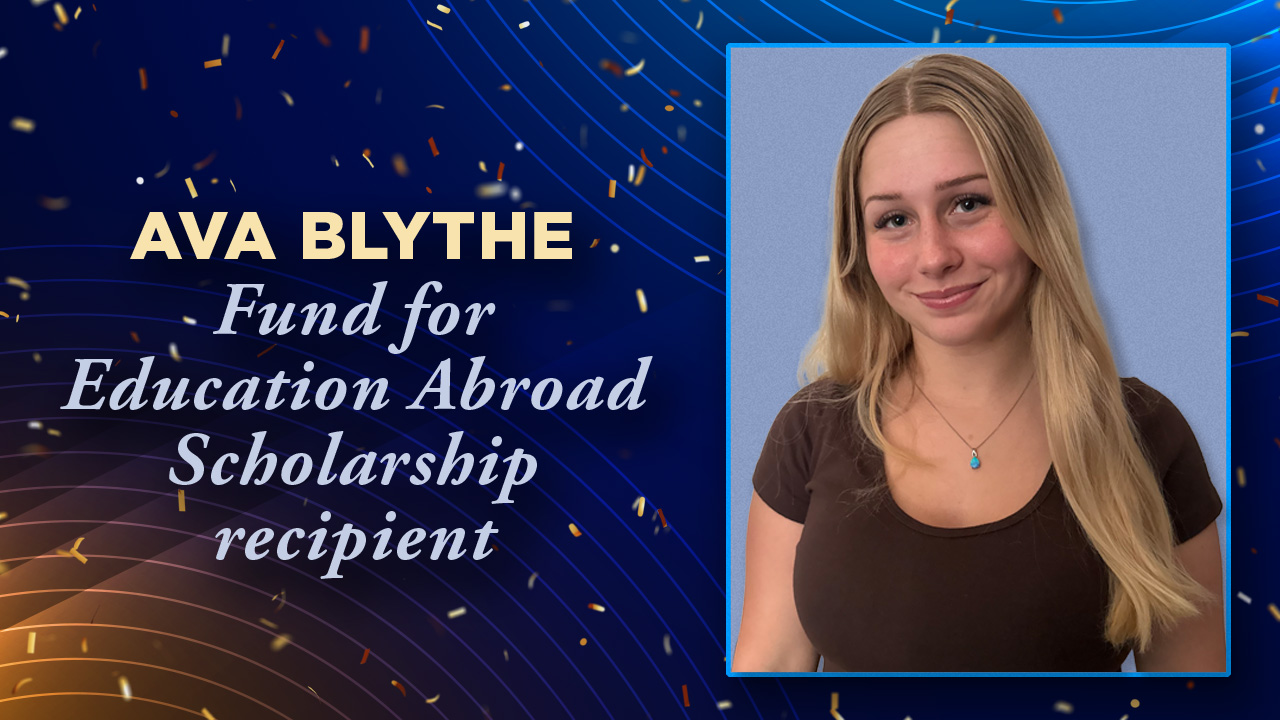
Blythe heads to South Korea as FEA awardee
Ava Blythe, who is pursuing a degree in chemistry, was awarded the FEA scholarship to study in South Korea, making her the 14th FEA awardee at UNG.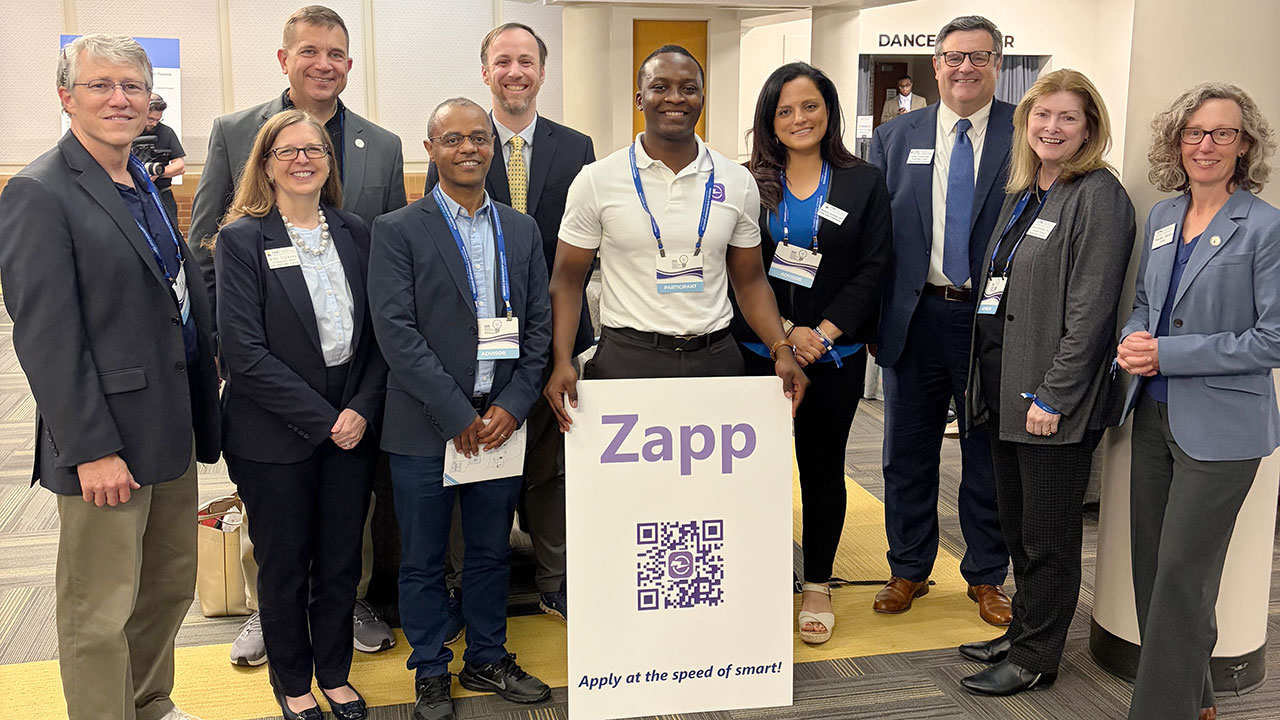
Student gains feedback on innovation at USG event
UNG grad student Aliou Aboubakar Mouhamed competed at the USG Entrepreneurship and Innovation Competition held April 6-7 at Kennesaw State's Marietta Campus.
ONEUNG supports strategic big bets
Donors have an opportunity to strengthen UNG's seven strategic big bets by supporting 20 projects featured in the 'ONEUNG — Bold Forward' university-wide giving campaign.