UNG third in Division 1 of NSA cyber event
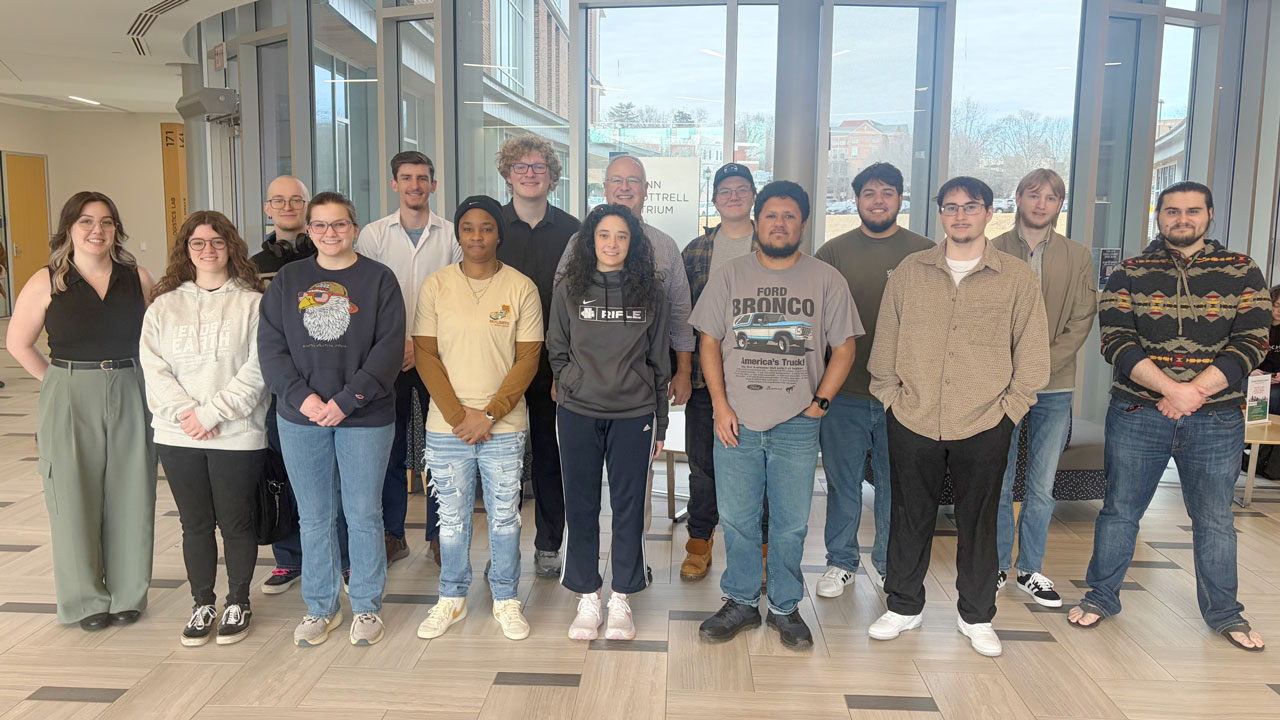
Cybersecurity students, faculty and alumni from the University of North Georgia (UNG) finished third in the nation in Division 1 of the National Security Agency (NSA) Codebreaker Challenge that ran from Sept. 24-Jan. 14.
UNG tallied 261,578 points, not far behind second-place SANS Technology Institute's 266,942. Georgia Tech was the top school in Division 1 with 287,097 points.

Divisions were determined by the number of participants, and Division 1 included all schools with 100 or more participants. UNG was one of only nine schools that met that threshold and had students solve tasks.
The NSA Codebreaker Challenge featured eight tasks labeled 0-7. UNG had seven students complete all the way through Task 7. Only 93 students nationally reached that milestone.
In the NSA Codebreaker Challenge scenario, students were asked to take on the role of a Cyber Response Team member at NSA assisting the Air Force with a possible attack from a "nation-state advanced persistent threat," another term for highly sophisticated military or government hackers from an adversarial country.
"By Task 7, students had to find advanced vulnerabilities to exploit and attack an adversary's server and mobile device to shut down the enemy attack against U.S. military networks, just like our graduates who work for NSA and the Department of Defense would," said Dr. Bryson Payne, director of UNG's Institute for Cyber Operations. "The real-world experience our future cyber leaders gain from competitions like the NSA Codebreaker Challenge prepares them to enter top-secret federal positions, as well as high-level industry roles, ready to contribute to the team on day one."
Zachary Simmons, who earned a Master of Science in computer science in December after completing a bachelor's degree in cybersecurity a year earlier, said the NSA Codebreaker Challenge was like a puzzle.
"These challenges were complicated, but each task was a bunch of small pieces you had to figure out," Simmons said. "It was a lot of things we’ve learned, and we got to put it all together."
Simmons has already parlayed the knowledge and experience he gained at UNG into a role as a security analyst for Chick-fil-A Corporate Support Center. He started work at that job in January.
Stewart Cates, a senior from Rome, Georgia, pursuing a degree in cybersecurity, was in his second year competing in the NSA Codebreaker Challenge. Due to having earned an associate degree from Georgia Highlands College while in high school, Cates will graduate after two years at UNG and plans to start UNG's Master of Science in computer science this fall. His career goal is to be a penetration tester, finding vulnerabilities in cyber systems to help protect them.
Cates, who is the president of the CyberHawks student club, said UNG's strong placement in the NSA competition is a product of its cyber program, which is "a great group of smart people learning from each other." From internships to competitions and networking, he said UNG's Institute for Cyber Operations has been an instrumental part of his journey.
"I'm very grateful. I would not be where I am today without the Cyber Institute and UNG — the help and the mentorship of Dr. Bryson Payne and Caitlin Conneely," Cates said. "They have really helped me with being able to do all of this."
Tyler McBride, a senior from Blairsville, Georgia, pursuing degrees in computer science and cybersecurity, is a member of UNG's Cyber Leader Development Program. He said he and his fellow CyberHawks encouraged each other throughout the challenge.
"We supported each other and applied what we've learned through our classes," McBride said.
Simmons, Cates and McBride all completed through Task 7.
Rishi Sadu, a sophomore from Alpharetta, Georgia, pursuing a degree in cybersecurity, was in his first year of the NSA Codebreaker Challenge and was one of the first competitors in the nation to complete Task 7. He also appreciates the communal aspect among UNG cyber students, both on a regular basis and in major competitions.
"It's a community of people pushing you forward to do your best," Sadu said.
Lindsey Newcomer, a junior from Suwanee, Georgia, pursuing a degree in cybersecurity, solved through Task 3 in her first year in the NSA competition. She previously participated in National Cyber League. Newcomer was grateful for the rewarding nature of the NSA Codebreaker Challenge.
"These competitions we take part in through the CyberHawks are so good for getting hands-on experience," Newcomer said.
Newcomer plans to work in defensive cybersecurity, potentially in auditing and compliance. She encourages others to study cybersecurity and be part of the CyberHawks at UNG.
"If you're nervous about joining one of these programs, all the people are super helpful," Newcomer said. "We have a ton of tools available."
Ben Vasquez, a senior pursuing degrees in computer science and cybersecurity, went from completing Task 2 a year ago to going all the way through Task 7 in his second year of the NSA Codebreaker Challenge. He is hopeful even more students from UNG compete in the 2026-27 event.
"I would love to see more people give this competition a shot," Vasquez said.
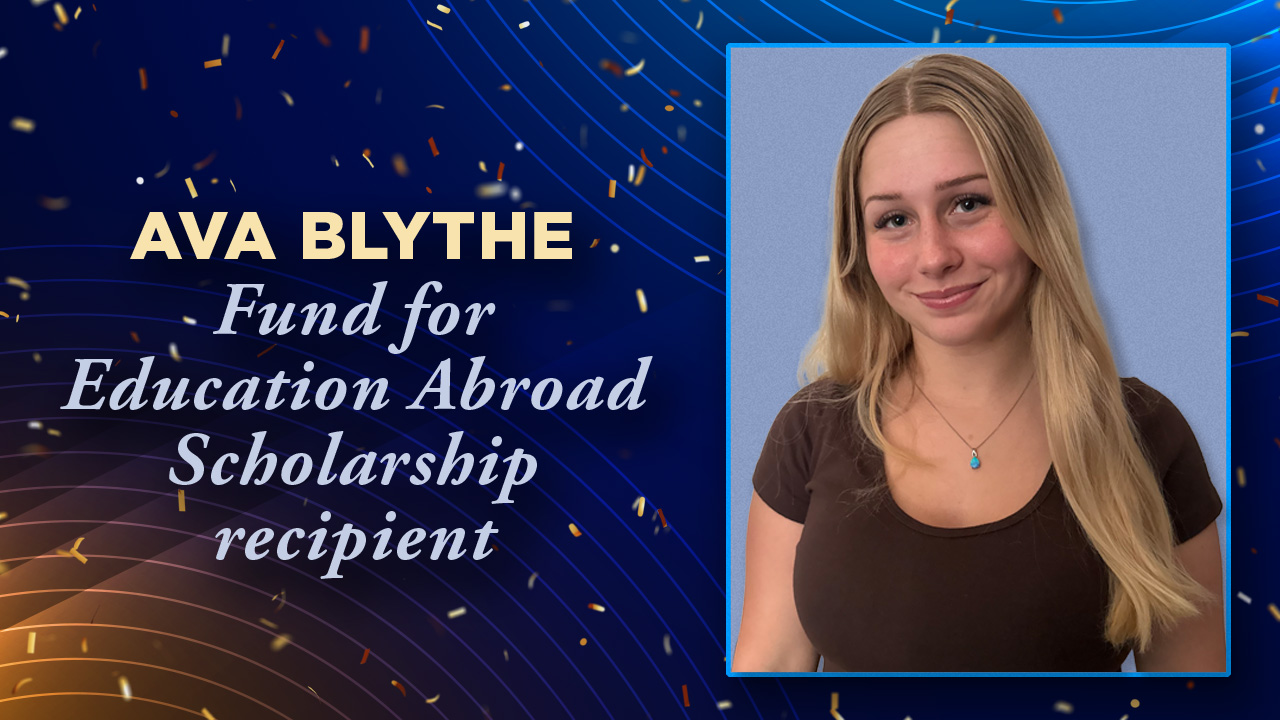
Blythe heads to South Korea as FEA awardee
Ava Blythe, who is pursuing a degree in chemistry, was awarded the FEA scholarship to study in South Korea, making her the 14th FEA awardee at UNG.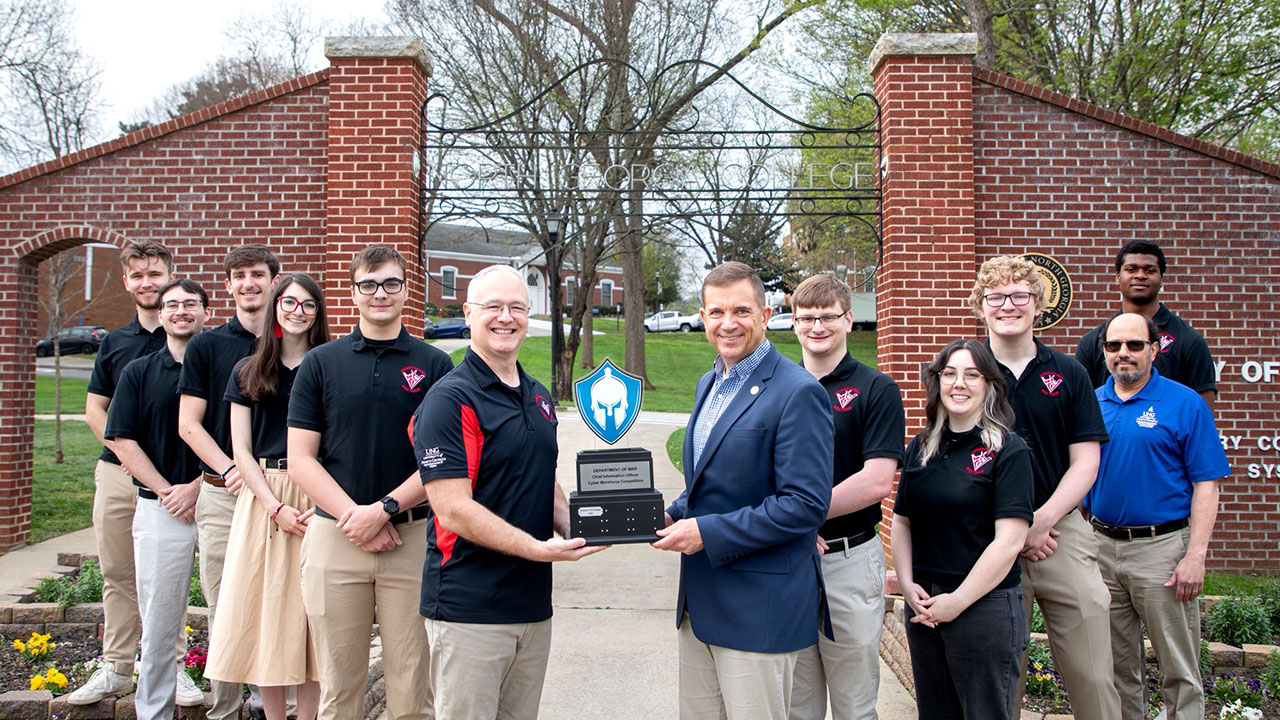
Cyber students take national title in D.C.
An eight-student team from UNG earned a national championship in the Department of War Chief Information Officers Cyber Workforce Competition at the National Defense University in late March.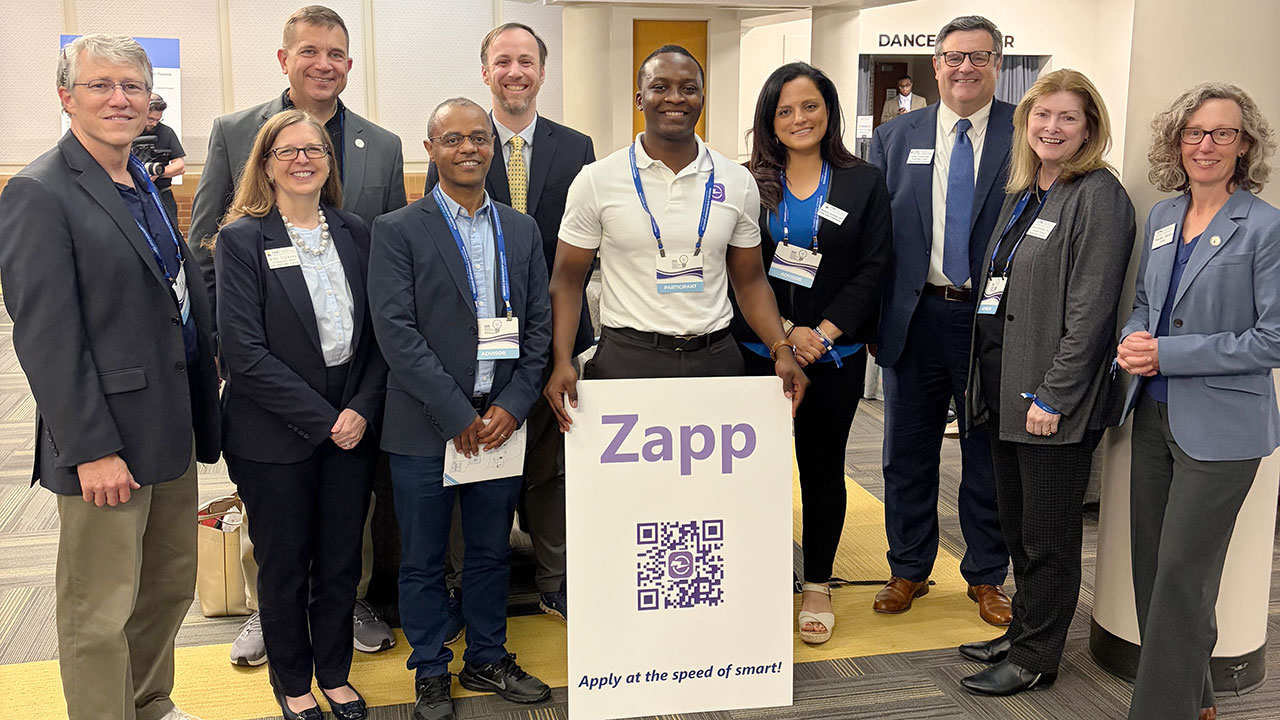
Student gains feedback on innovation at USG event
UNG grad student Aliou Aboubakar Mouhamed competed at the USG Entrepreneurship and Innovation Competition held April 6-7 at Kennesaw State's Marietta Campus.
ONEUNG supports strategic big bets
Donors have an opportunity to strengthen UNG's seven strategic big bets by supporting 20 projects featured in the 'ONEUNG — Bold Forward' university-wide giving campaign.