9/11 remembrance event set for Sept. 10 at UNG
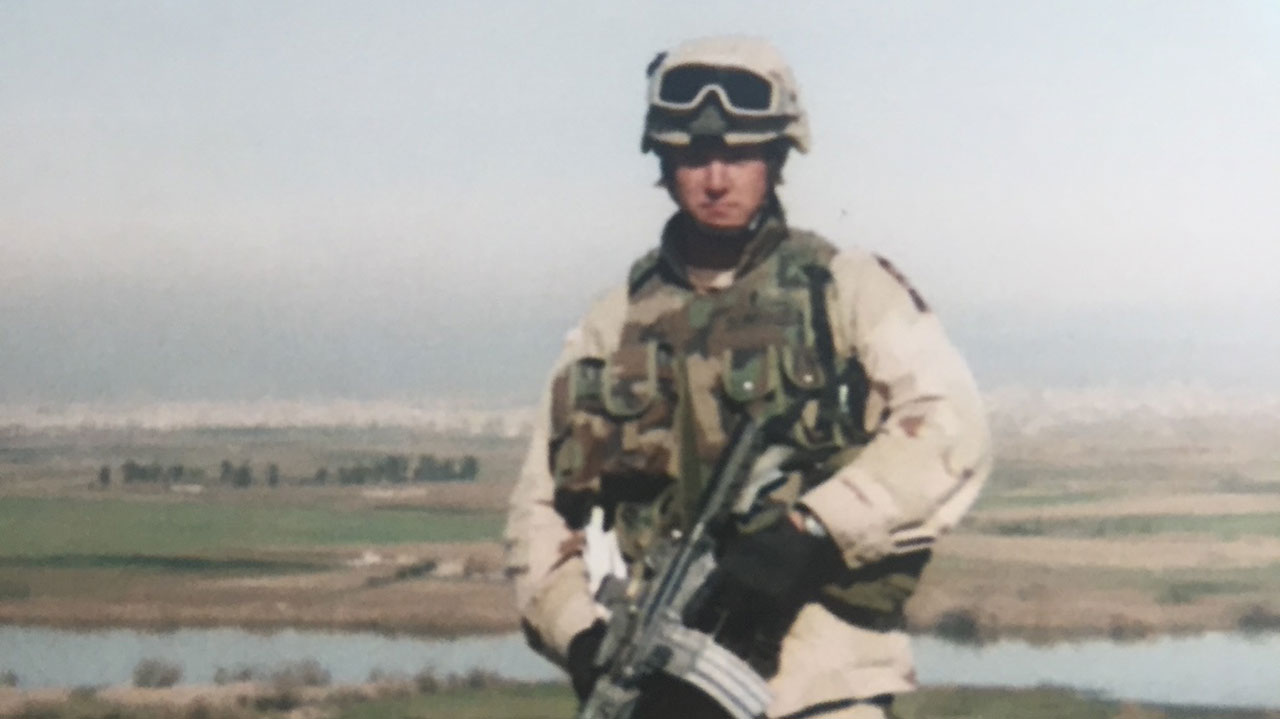
Col. Christian Durham graduated from the University of North Georgia (UNG) and commissioned as an Infantry second lieutenant in May 2001. Four months later, the Sept. 11 attacks changed the trajectory of the nation and his career.
"We train because we never know when the nation's going to call on us. And we often think that when those moments come that we're going to get this long buildup time," said Durham, who now serves as UNG's professor of military science. "But after 9/11, we were at war across the world within weeks."

Durham will share his perspective as part of this year's 9/11 remembrance ceremony, set for 6:30 p.m. Sept. 10 on the Gen. William "Lipp" Livsey Drill Field. Student Government Association (SGA) and the Corps of Cadets will host the 26th annual event, which was first held as a vigil on the night of the 9/11 attacks in 2001. In addition to honoring the fallen, the remembrance also serves as a chance to recognize current military service members and first responders.
Cadet Cleo Johnson, a senior from Kennesaw, Georgia, pursuing a degree in management, serves as SGA president for 2026-27. He noted how the Memorial Wall at UNG's Dahlonega Campus serves as a reminder of alumni killed during wars, including eight since 9/11. The Sept. 11 event is another way to honor those who paid the ultimate price.
"I love how the university takes the time to show gratitude to those who have been lost," Johnson said.
Sigourney Waina, a senior from Jasper, Georgia, pursuing a degree in English with a writing and publication concentration, serves as SGA vice president at UNG's Dahlonega Campus. She said that in such a fast-paced society the 9/11 remembrance stands out.
"To have that many people come together to just sit and remember is very meaningful," Waina said. "That's always been my favorite part of the ceremony."
Durham said he and his fellow UNG cadets entered the Corps with a nation at peace and had no idea how quickly the world would change once they graduated. Nearly 60 years after the Japanese attacks on Pearl Harbor, the homeland was under assault across a much larger geographic footprint.
"We thought as a nation that because we had an ocean to our east and an ocean to our west, and we had allies to our north and our south, that we were relatively safe and protected from attacks inside the homeland," Durham said. "And then 9/11 happened, and that was the reality call for all of us."
As much as Sept. 11 changed the world for the military, Durham said it shined an even brighter light for him on the daily challenges of firefighters, paramedics and police officers.
"I train every day for something that might happen somewhere around the world. It's another thing for those people who train every day for something that happens every single day in our own country," Durham said. "Every day we see an ambulance go by somewhere. Every day we see a car wreck that's happened. Every day we see a fire. Every day we see a paramedic going to some location. So they're living that every single day. And, in addition to all that, they have to be ready for large-scale emergencies just like what happened on 9/11. It's a pretty amazing task to think about."
Brooke Owenby, associate director of student leadership programs, is grateful for what the remembrance ceremony represents.
"More than anything, I hope students leave with an appreciation for the people who choose to serve others and a desire to pay it forward. For many of our students, 9/11 is something they have learned about in a classroom rather than something they remember experiencing," Owenby said. "This ceremony gives them an opportunity to understand the impact of that day and the sacrifices that followed."
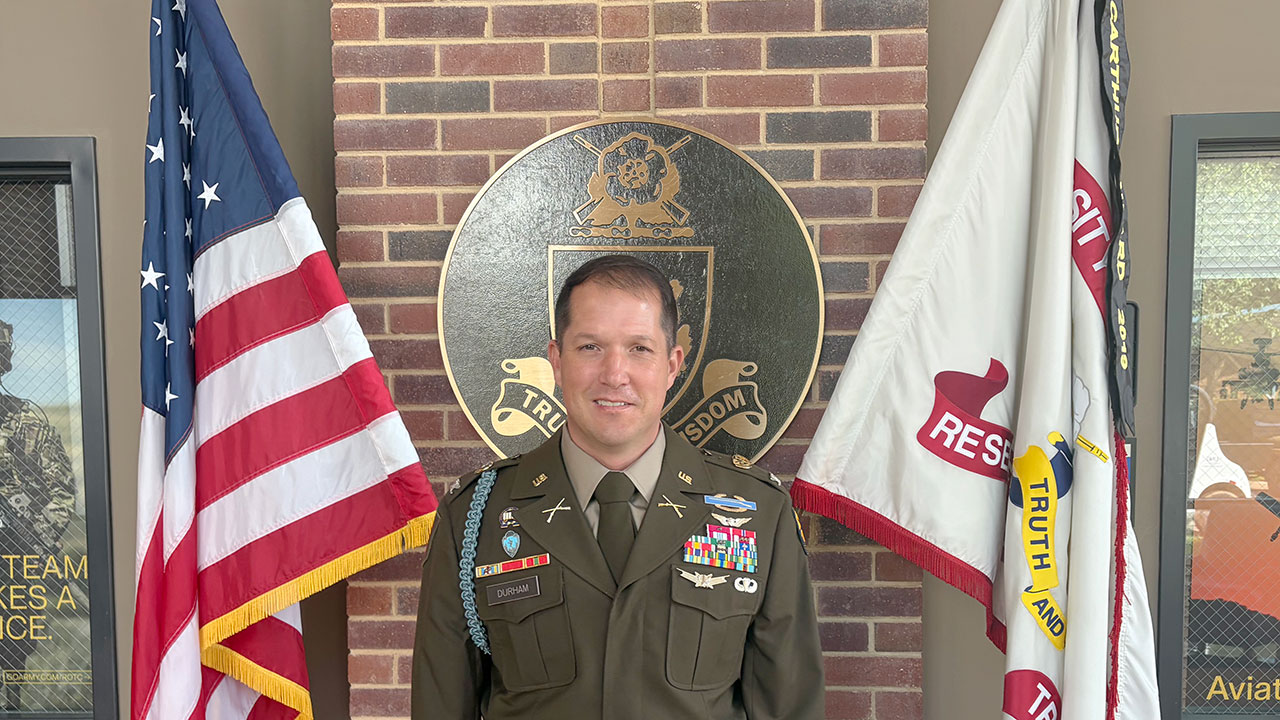
Durham is new professor of military science
Alumnus Col. Christian Durham is the new UNG professor of military science. The 2001 graduate took over this role in June.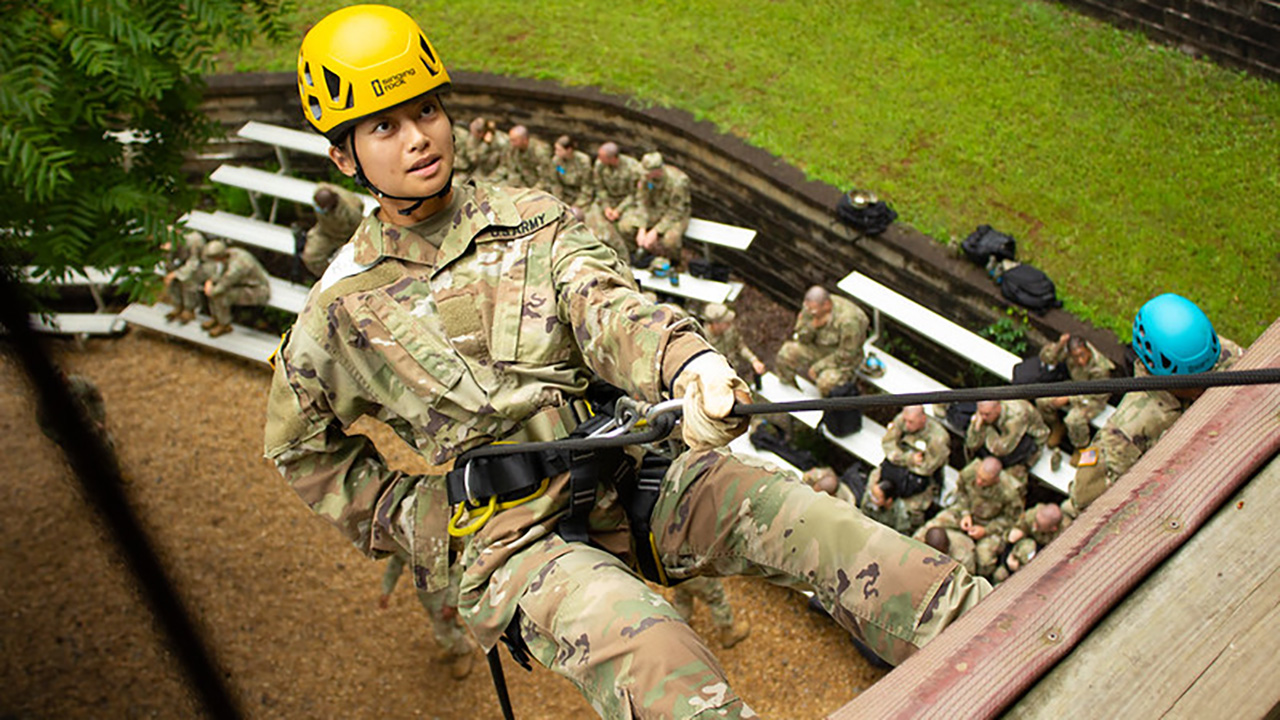
About 240 FROGS set to begin cadet life
About 240 freshmen began their time as UNG cadets Aug. 2-8 during FROG Week, which was led by cadet brigade commander Grace McGill and her team.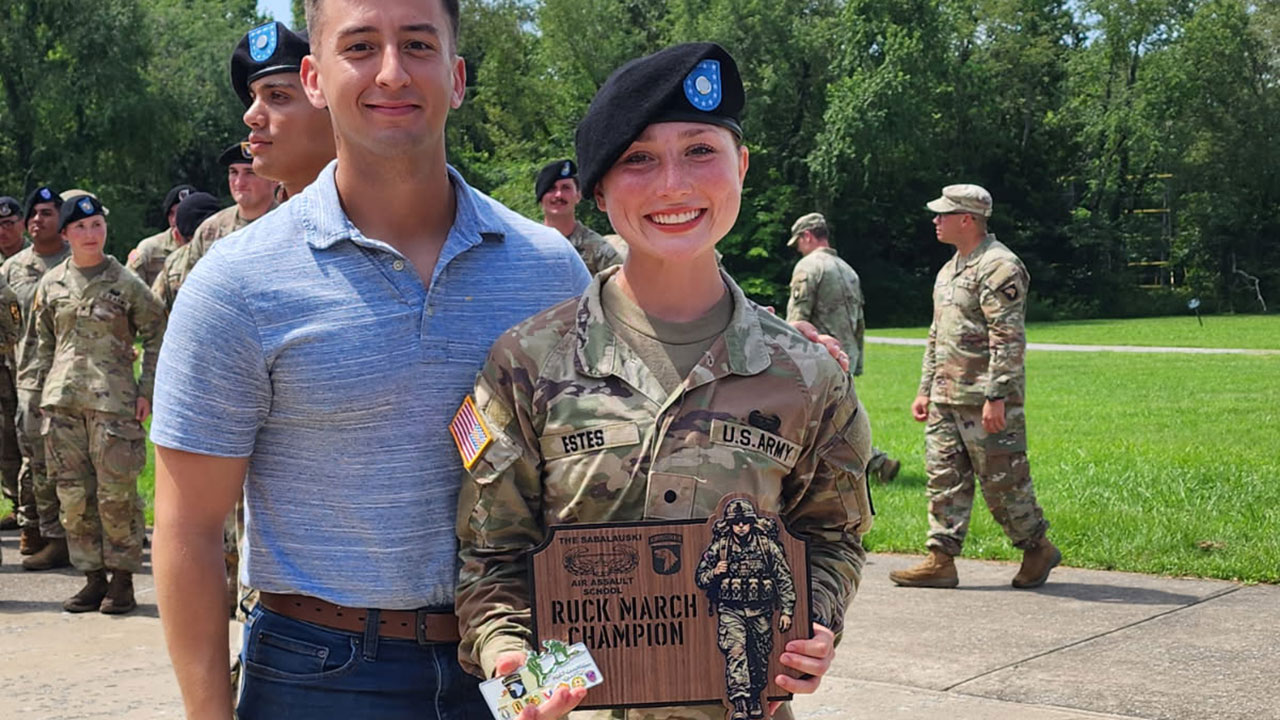
Estes shines at Air Assault School
UNG cadet Alyssa Estes earned her Air Assault wings and ruck march champion honors July 21 at The Sabalauski Air Assault School at Fort Campbell, Kentucky.