UNG is launchpad for physics graduates
The University of North Georgia's (UNG) Department of Physics & Astronomy ranks among the nation’s top 4% producers of graduates from bachelor's-degree-only programs in physics.
Based on a list compiled by the American Institute of Physics, UNG had 19 physics graduates in 2023-24. As impressive as those numbers are, the names and experiences behind those numbers tell an even deeper story of UNG's massive impact in the science community.

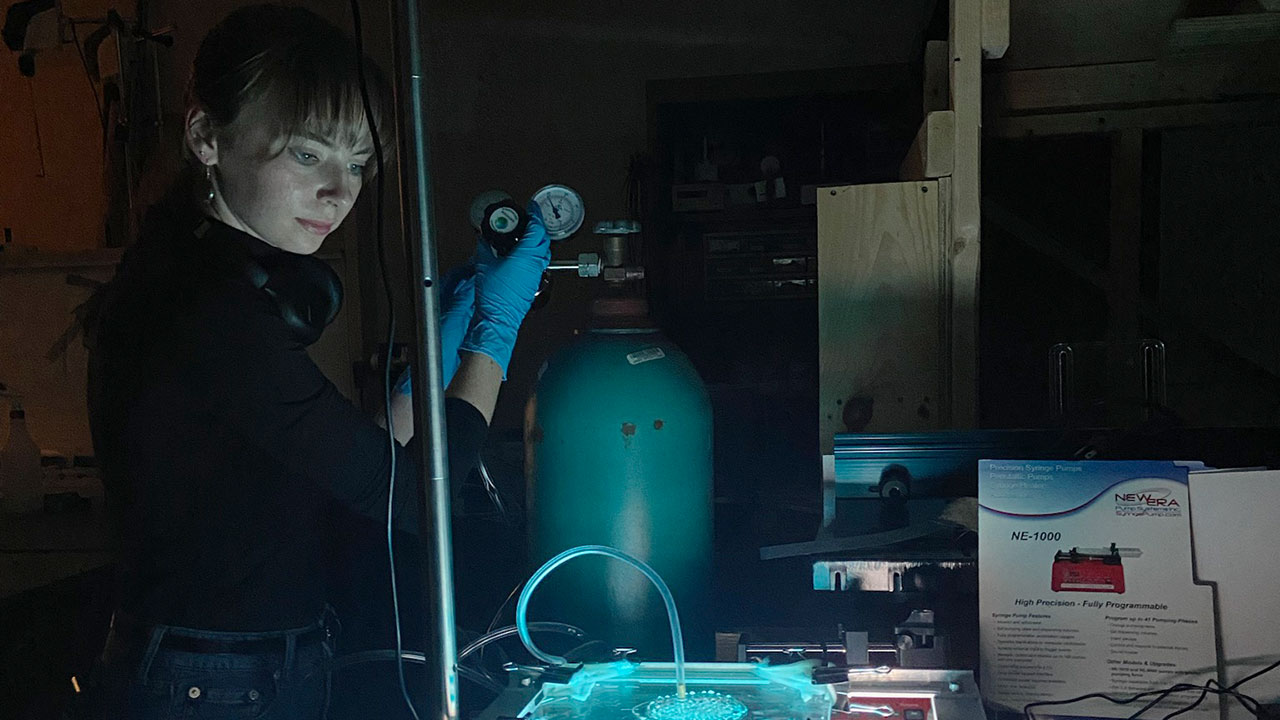
Hannah Burch, a 2024 graduate from Jefferson, Georgia, is pursuing a Ph.D. in civil and environmental engineering at Duke University. Burch conducted fluid dynamics research with Dr. Patrick Bunton, professor and department head of Physics & Astronomy, for two years. She also thrived as part of the Learning Assistant program, through which undergraduate students help teach physics labs.
"It got me out of my comfort zone, teaching in front of my peers," Burch said. "I was able to better understand the material and explain my scientific knowledge."
Burch originally planned to transfer from UNG to add an engineering degree, but she formed so many connections that she didn't want to leave. In her first year of grad school, that decision continues to pay dividends.
"The knowledge the professors have of the field is invaluable for undergrads," Burch said. "I don't think I could have been any better prepared for grad school."
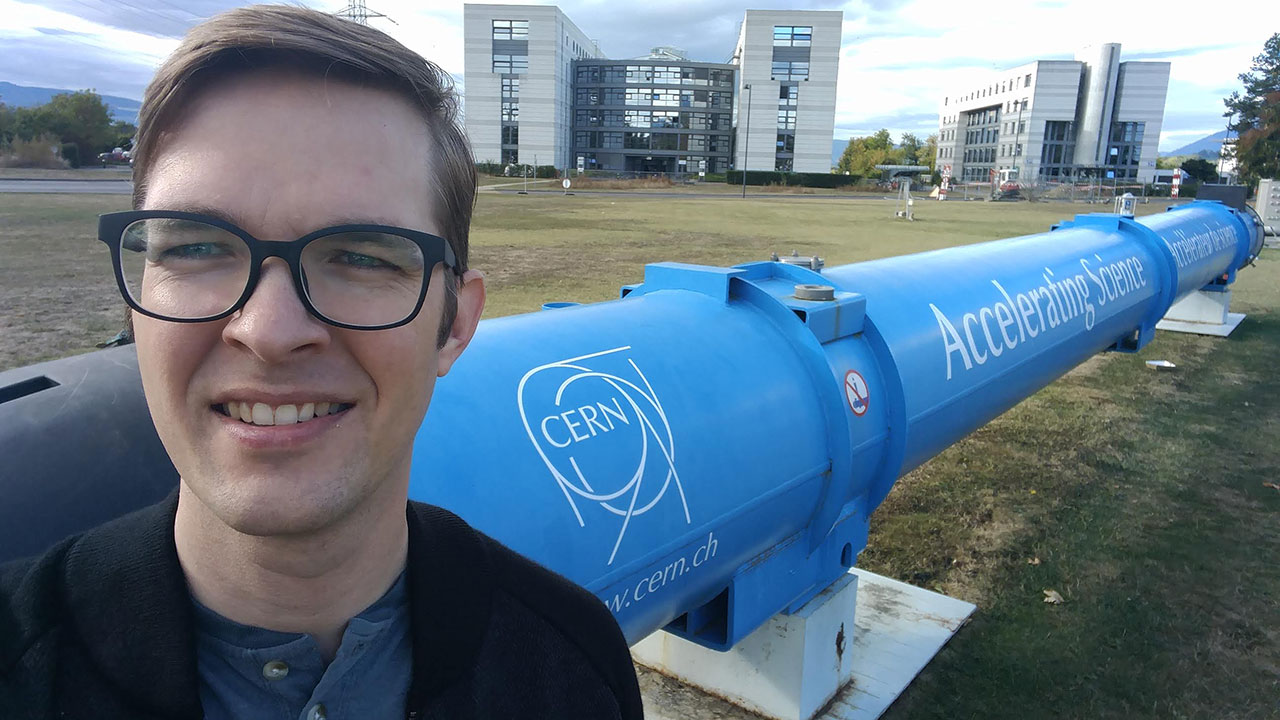
Dr. Matt Amthor, a 2003 graduate from Cleveland, Georgia, earned a degree in mathematics in addition to his physics degree. He is now an associate professor of physics and astronomy at Bucknell University. He initially came to UNG through the physics and engineering dual degree program with plans to finish the engineering degree at Georgia Tech. Instead, he fell in love with physics. He later earned his Ph.D. from Michigan State University.
Amthor spent a summer during his undergraduate days at the Triangle Universities Nuclear Laboratory (TUNL) at the invitation of Dr. Mark Spraker, a longtime UNG professor of physics, before then completing a National Science Foundation (NSF) Research Experience for Undergraduates (REU) at TUNL. Looking back, Amthor said, those experiences made all the difference.
"I had faculty who were sharing about their research. They invited me into their projects," Amthor said. "It's really what gets students interested and excited and makes them successful in the future."
Colin Hathaway, a 2023 graduate from Snellville, Georgia, was a cadet on the National Service Leadership Track. He earned a degree in physics and is teaching the subject at Parkview High School in Lilburn, Georgia. Hathaway has already earned a Master of Arts in Teaching from Mercer University and is pursuing a Doctor of Education in applied learning sciences online from the University of Miami.
Hathaway's research experience and collaborations with faculty helped him along his journey. He also pointed to his fellow physics students at UNG.
"The community really allows people to thrive at UNG," Hathaway said. "It makes it easy to reach out for help when you need it."
Amanda Ash, a 2021 graduate from Woodstock, Georgia, is a Ph.D. candidate in the Department of Astronomy at The Ohio State University. Her first research experience was a Faculty Undergraduate Summer Engagement (FUSE) project with Dr. Gregory Feiden, associate professor of physics and astronomy and UNG Observatory director, that used starspot modeling. Ash went on to complete an REU on stellar rotation at the Harvard Center for Astrophysics before later doing more summer research at UNG as part of a NASA grant.
Ash said physics departments are "notorious for not being welcoming," but UNG flies in the face of that stereotype.
"The program was a really comfortable and welcoming space for exploring different topics in astronomy," Ash said. "All the faculty in the program very much want their students to succeed in wherever they want to go."
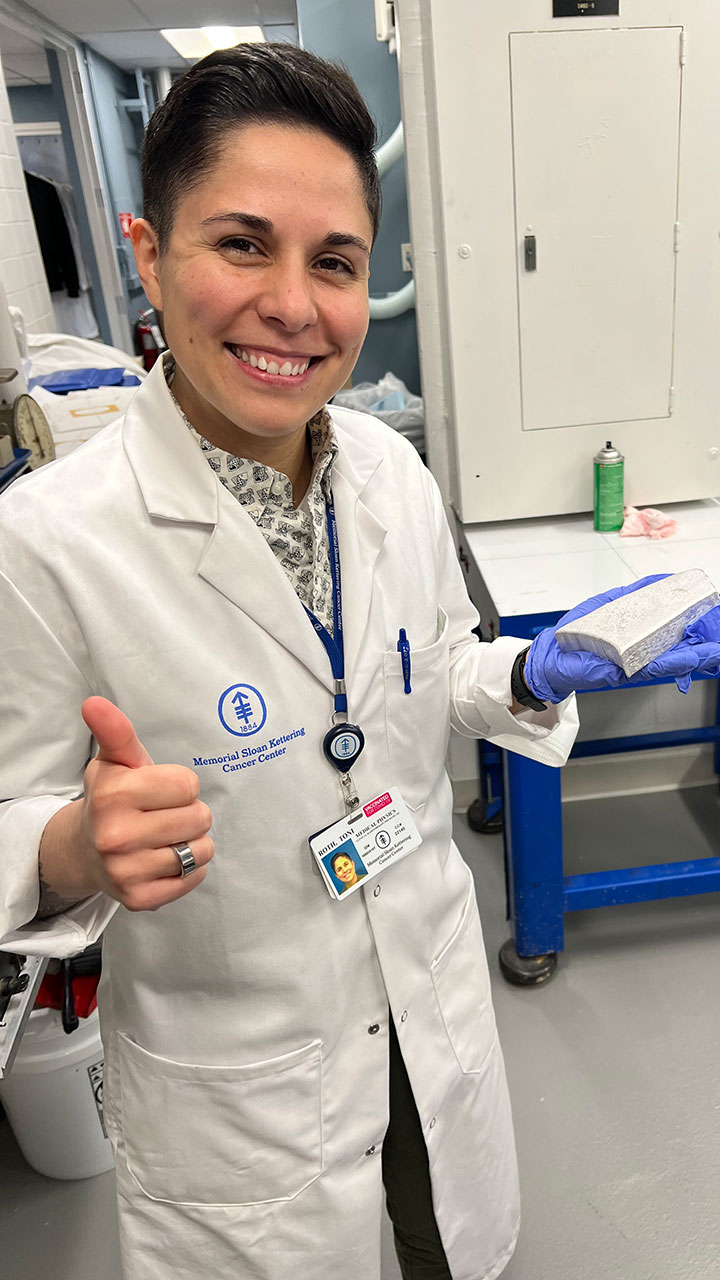
Toni Roth, a 2012 UNG graduate, works as a senior clinical radiotherapy physicist at Memorial Sloan Kettering Cancer Center in New York City. She recently successfully defended her dissertation and will graduate in December with a Ph.D. in biomedical engineering and biotechnology from University of Massachusetts Lowell. Previously, Roth earned a master's degree in medical physics from Vanderbilt University.
Roth began her time at UNG pursuing a degree in biology before moving into the physics program halfway through her time after she "found a love for physics" in a summer course with Dr. Sarah Formica, a longtime professor in the department.
At a seminar for juniors and seniors, Roth met an alumnus who was working as a medical physicist, which helped shape her path.
"The faculty do an excellent job of bringing alumni back to let students know which careers are possible," Roth said.
She also recalled how Dr. Richard Prior, professor emeritus and former department head, brought back a medical physics course to help prepare Roth for her goals. It was one of many instances of faculty going to bat for her.
"If you're curious or excited about something, they do all they can to feed that," Roth said. "It's a beautiful thing to feel supported by your department. And you can be free to fail and learn from it."
Dr. Eric Pooser, a 2009 graduate from Gainesville, Florida, works as a senior research scientist in the Advanced Concepts Laboratory at Georgia Tech Research Institute (GTRI). He earned a Ph.D. in experimental nuclear physics at Florida International University.
Pooser's current work assists the Department of Defense, and it feels like a full-circle moment after he was a cadet but was unable to commission in the Army for medical reasons. Even though his job isn't directly physics-related, he still calls on what he gained at UNG.
"You develop critical thinking skills and tool sets to be able to do anything," Pooser said.
He said the approachable nature of UNG faculty modeled for him how he could work alongside faculty in graduate school, and it also has impacted his current interactions with students at GTRI. Pooser advises six students per semester, and he knows they often enter their first meeting intimidated and nervous.
"The first thing I do is knock that barrier down," Pooser said. "I'm trying to recreate that environment for my students that I gained at UNG. That helped shape me into the research scientist I am now."
When Formica first arrived at UNG almost 20 years ago, the department turned one of the larger classrooms into a study room and hangout area for students. She said that began to create a family feel.
"Our students come to this department, and they don't want to leave," Formica said. "They really feel at home here."
Spraker said UNG's track record shows the department has the right approach.
"We try to meet the students where they are. We take care of them while they're here. We get to know them. That's reflected in the number of graduates we have," Spraker said. "There are huge numbers of students who are now educating other students and conducting research of interest to the United States. It's a good feeling."
A current listing of physics faculty research projects is available on the UNG Physics & Astronomy webpage.
Formica said the pairing of students with faculty for research over a two-year period allows them to serve as collaborators and transcend the traditional faculty-student interactions. Formica also pointed to a willingness to be on the cutting edge.
"We are not afraid to do things a little differently. We use innovative teaching methods that are tested and based in evidence and research. That can make things exciting and engaging for students, and these methods have also been shown to help students learn more," Formica said. "Our students are getting a learning experience they wouldn't necessarily get at another university."
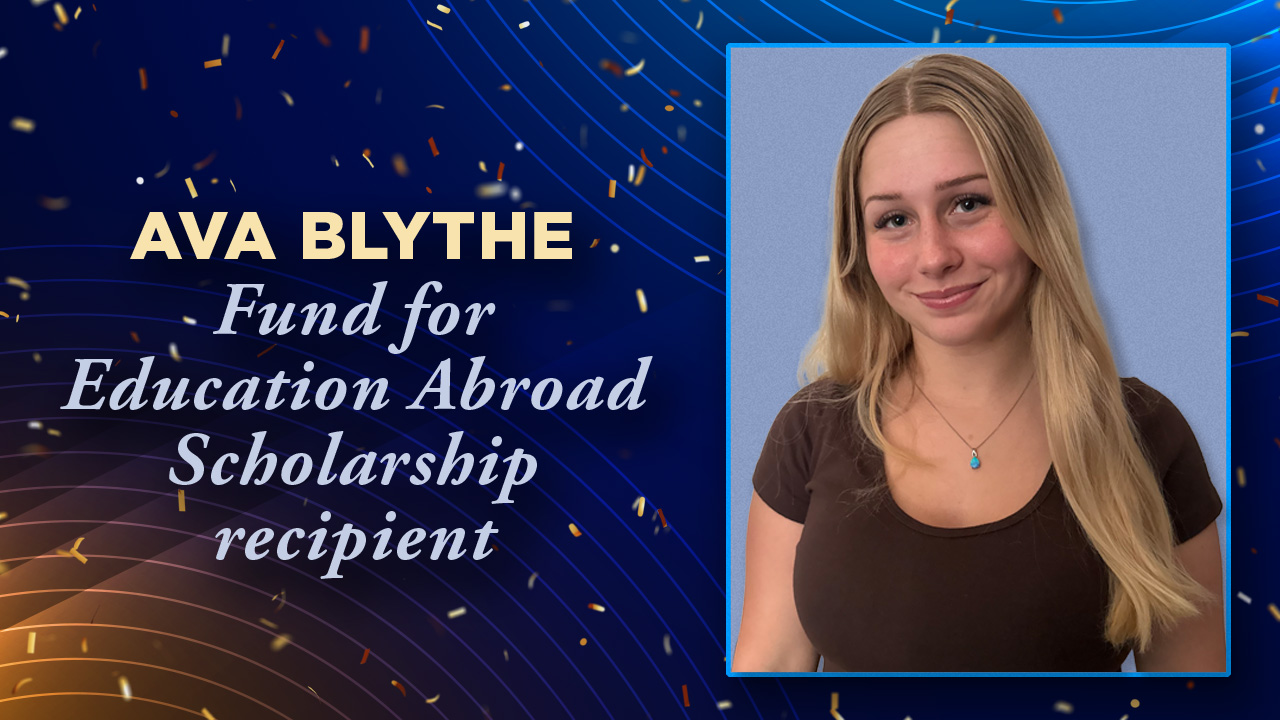
Blythe heads to South Korea as FEA awardee
Ava Blythe, who is pursuing a degree in chemistry, was awarded the FEA scholarship to study in South Korea, making her the 14th FEA awardee at UNG.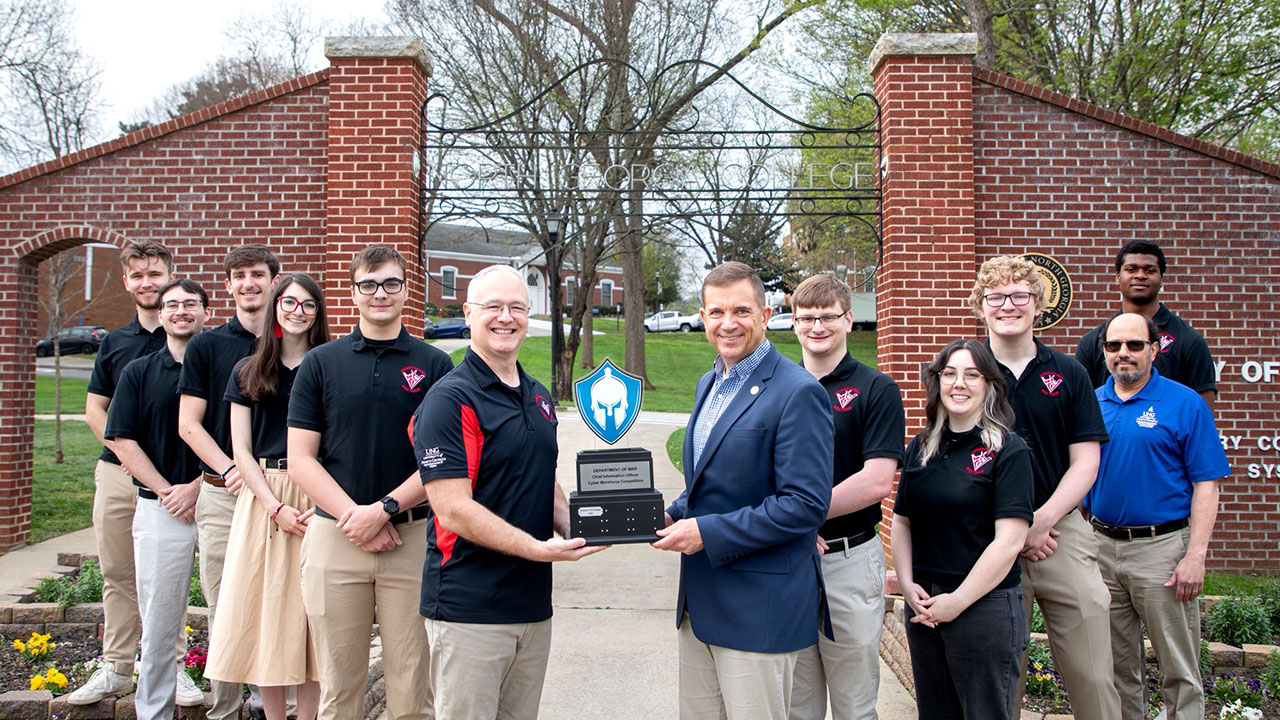
Cyber students take national title in D.C.
An eight-student team from UNG earned a national championship in the Department of War Chief Information Officers Cyber Workforce Competition at the National Defense University in late March.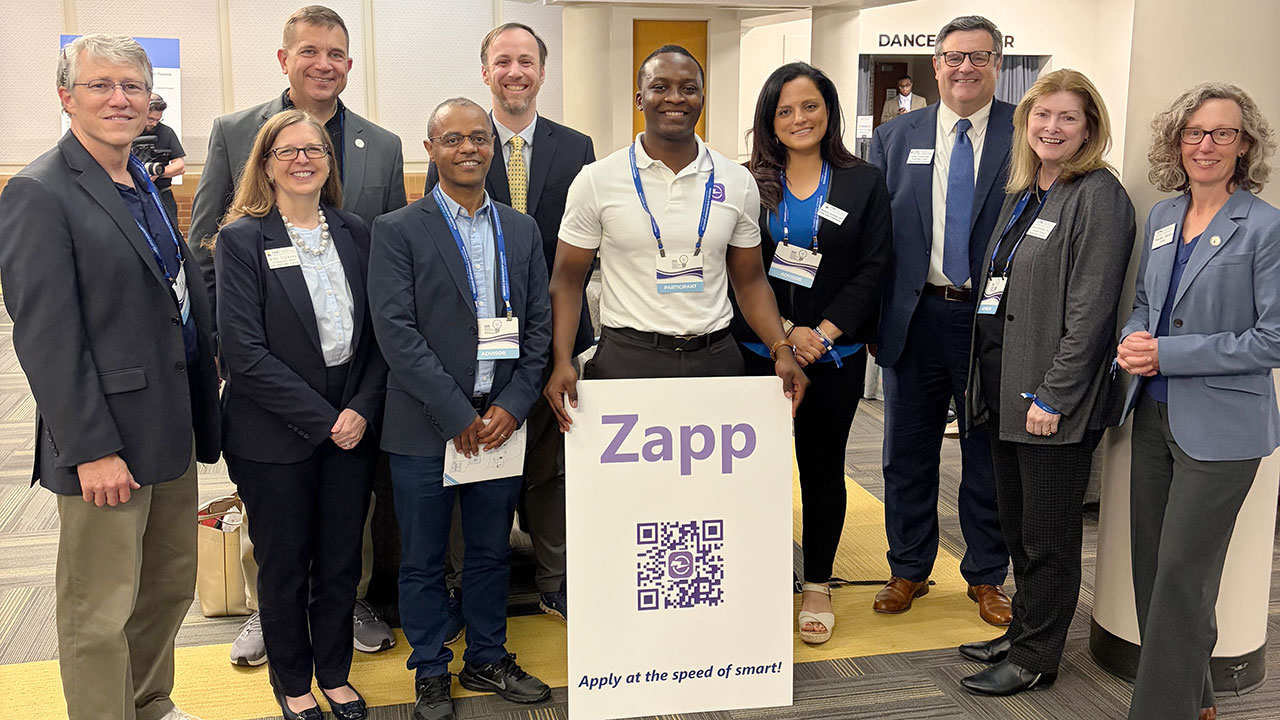
Student gains feedback on innovation at USG event
UNG grad student Aliou Aboubakar Mouhamed competed at the USG Entrepreneurship and Innovation Competition held April 6-7 at Kennesaw State's Marietta Campus.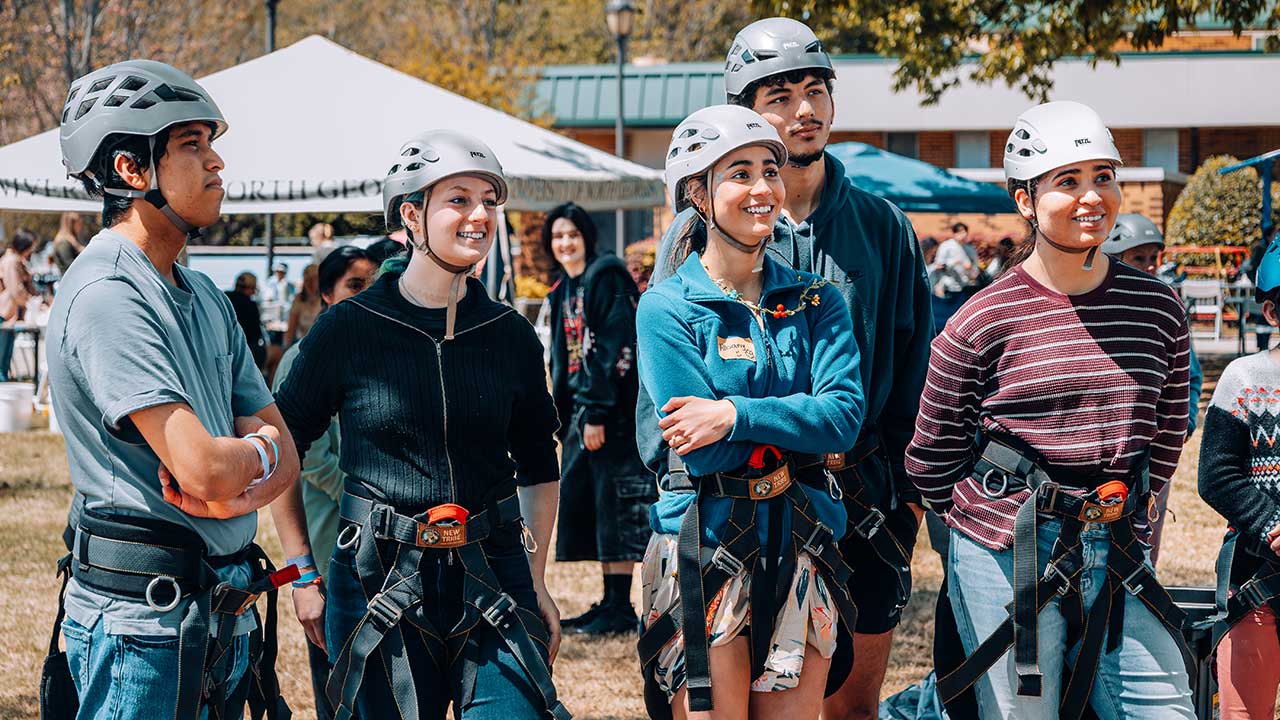
Earth Day event is set for April 15
UNG will host its ninth annual Earth Day celebration from 11 a.m. to 2 p.m. April 15 at UNG's Gainesville Campus.